
The naming of the Tiznit-Dakhla highway after former U.S. President Donald Trump represents a calculated fusion of monumental infrastructure and high-stakes international diplomacy within the evolving Maghreb landscape. This decision highlights the deep gratitude Morocco feels toward the administration that fundamentally altered the trajectory of the Western Sahara conflict by recognizing Rabat’s full sovereignty over the disputed territory. For decades, the region was characterized by diplomatic inertia and frozen conflict, but the recent naming ceremony underscores a newfound confidence in Morocco’s territorial claims. By branding this essential transport artery with the name of a former American leader, the Moroccan government is not only honoring a specific political actor but is also signaling to the rest of the world that its southern provinces are now permanently integrated into the national fabric. This symbolic move serves as a cornerstone for future regional development, turning a once-contested desert expanse into a vital economic corridor for the entire continent.
Diplomatic Foundations: The Abraham Accords Legacy
The historical bedrock for this deepening bilateral relationship was poured during the negotiation of the 2020 Abraham Accords, which facilitated the normalization of ties between Morocco and Israel in exchange for American recognition of Moroccan land claims. This policy shift was more than just a momentary political maneuver; it successfully dismantled the long-standing international consensus that had kept the Western Sahara in a state of perpetual limbo for nearly fifty years. By providing Morocco with the diplomatic leverage it had sought through decades of lobbying, the U.S. recognition acted as a catalyst for other global powers to reconsider their own stances on the issue. Today, this recognition remains the most significant victory for Moroccan foreign policy in the modern era, creating a ripple effect that has influenced everything from regional trade agreements to security cooperation. The highway serves as a permanent monument to this pivotal moment, reminding observers that strategic alliances are often paved with physical infrastructure.
As the United Nations Security Council continues to deliberate on the future of the Sahara, Morocco is leveraging its improved international standing to secure more permanent resolutions that favor its autonomy plan. The momentum generated by the initial U.S. recognition has allowed Rabat to approach these high-level discussions from a position of unprecedented strength and unity. Furthermore, the naming of the highway comes at a time when Morocco is preparing to showcase its national progress on the global stage as a co-host of the 2030 FIFA World Cup. Integrating the southern provinces through world-class infrastructure is essential for the government’s plan to host matches and events in a variety of coastal cities, including those in the south. By cementing these ties now, the government ensures that by the time the tournament begins, the international community will view the region as an undisputed and thriving part of the country. This strategic foresight blends sports, politics, and development into a single, cohesive national narrative.
Regional Connectivity: Infrastructure as Sovereignty
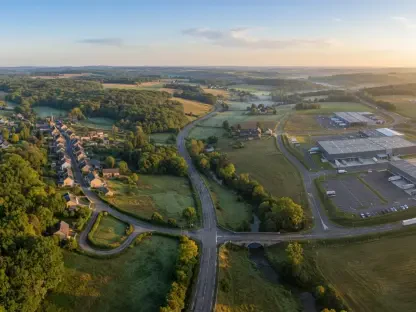
The Tiznit-Dakhla highway is a massive engineering feat that stretches for more than 650 miles, designed specifically to link the bustling northern urban centers with the resource-rich southern coastal regions. With a project cost exceeding a billion dollars, this expressway is much more than a mere convenience for travelers; it is a vital economic lifeline that facilitates the rapid movement of goods, services, and labor. By drastically reducing travel times between Agadir and the Mauritanian border, the government is effectively shrinking the geographic distance that once isolated these territories from the administrative heart of the kingdom. This massive investment demonstrates a commitment to creating an irreversible reality on the ground, where the economic and social integration of the Sahara becomes a self-evident fact. As trucks laden with phosphate, fish, and agricultural products traverse this modern route, they reinforce the narrative of a unified nation where the southern provinces play a central role in the future of the kingdom’s prosperity.
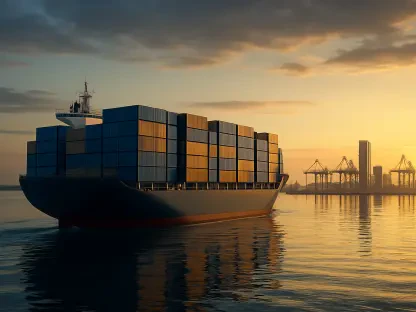
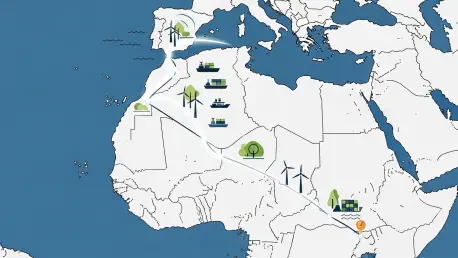
Beyond its domestic implications, the newly named highway serves as the backbone of the Atlantic Initiative, a visionary project designed to provide landlocked African nations with direct access to global maritime trade routes. By positioning itself as a gateway between the African interior and the Atlantic Ocean, Morocco is using this infrastructure to foster a new era of south-south cooperation and regional stability. The corridor has already triggered a significant uptick in trade volume, as countries like Mali, Niger, and Burkina Faso look toward the port of Dakhla as a more reliable and modern outlet for their exports. This strategic positioning allows Rabat to wield soft power through development, proving that its control over the region brings tangible benefits to its neighbors. The highway is the physical conduit through which this regional influence flows, transforming the Sahara from a site of historic contention into a hub of international commerce. This approach effectively uses economic dependency to build a broad coalition of supporters for Morocco’s territorial vision.
Geopolitical Friction: Navigating the Sahara Dispute
Despite the clear progress in development and diplomacy, the Western Sahara dispute remains a volatile challenge that continues to pit Morocco against the Polisario Front and its primary regional backer, Algeria. While Morocco focuses on building roads and ports, the opposition remains firm in its demand for a referendum on independence for the Sahrawi people, highlighting a persistent ideological and human divide. The tensions that flared up in late 2020 after the collapse of a long-standing ceasefire have not fully dissipated, leading to a climate of heightened military alertness along the berm. This ongoing impasse creates a complex security environment where the construction of infrastructure is also a security measure intended to stabilize the border regions. Algeria’s staunch refusal to recognize Moroccan sovereignty has led to a deep diplomatic rift that has paralyzed the Arab Maghreb Union and complicated regional security cooperation. These underlying tensions remind observers that while the highway represents progress, the path to a lasting peace remains fraught with historical grievances.
The international landscape is gradually tilting in favor of Morocco’s proposed autonomy plan, which offers self-governance under the kingdom’s sovereignty as a compromise to the independence movement. Major European powers, most notably France, have recently followed the American lead by officially endorsing this plan as the most realistic and viable solution to the conflict. This shift in the European consensus has significantly isolated the Polisario Front and pressured Algeria to rethink its support for a lost cause. As more nations align with Morocco, the diplomatic cost of opposing Rabat’s claims continues to rise, making the autonomy plan the de facto framework for future negotiations. However, this trend has also intensified the rivalry between Morocco and Algeria, as both nations compete for influence and energy dominance in the Mediterranean and Atlantic regions. The highway naming is thus a signal to these regional rivals that Morocco is doubling down on its alliances and will not retreat from its current course, regardless of the pushback from its neighbors.
Economic Expansion: The Rise of Strategic Partnerships
The United States is increasingly reinforcing its diplomatic recognition of Morocco’s claims with direct economic engagement and financial investment in the southern provinces. Recent funding initiatives from American development agencies have targeted critical industrial sectors, such as the production of green ammonium and renewable energy projects in the Dakhla region. This shift from purely symbolic support to active financial partnership indicates that Washington views the stability of the Western Sahara as vital to its own strategic interests in Africa. By investing in the very soil that was once a subject of purely legal disputes, the U.S. is signaling to other international investors that the region is safe and open for business. These projects are expected to create thousands of local jobs and build a modern industrial base that will further anchor the population to the national economy. This transition into a deep economic alliance represents a new phase of bilateral cooperation where prosperity is used as a tool to prevent future radicalization and conflict.
Looking forward, the integration of the southern provinces into the global economy through the Tiznit-Dakhla highway is expected to accelerate the transition toward a more sustainable and technologically advanced Moroccan economy. The region’s vast potential for wind and solar energy production is already being harnessed to power new desalination plants and industrial hubs, positioning Morocco as a leader in the green energy transition. The highway acts as the primary artery for transporting the high-tech equipment and specialized labor required to build and maintain these massive renewable energy farms. As global demand for carbon-neutral energy increases, the Western Sahara is poised to become one of the most valuable pieces of real estate on the continent. This evolution proves that Morocco’s strategy is not just about territorial control, but about transforming the desert into a modern engine of growth. By aligning its development goals with global trends in sustainability, Morocco is ensuring that its strategic ties with the West remain relevant and mutually beneficial for decades to come.
Strategic Evolution: Long-Term Regional Outcomes
The formal naming of the Tiznit-Dakhla highway served as the final confirmation that Morocco succeeded in turning a dormant territorial dispute into a dynamic engine for regional development. Government planners focused on ensuring that the road was not merely a symbol but a functional tool for economic expansion that effectively connected the southern coast to the global market. International observers recognized that the Moroccan autonomy plan gained significant traction once physical infrastructure began to match the country’s diplomatic rhetoric. Moving forward, the focus shifted toward the implementation of advanced logistics technology and the expansion of the Dakhla Atlantic Port to handle the increased traffic generated by the new expressway. Regional leaders engaged in more frequent dialogue regarding the integration of landlocked Sahelian economies into this new maritime corridor. By prioritizing concrete investments over abstract political debates, the kingdom established a precedent for how infrastructure could be used to resolve long-standing geopolitical stalemates through shared prosperity.
This strategic pivot provided a clear roadmap for other nations seeking to resolve protracted regional conflicts through economic integration rather than military confrontation. Development agencies across the Atlantic began prioritizing trans-Saharan connectivity, recognizing that stable trade routes acted as the most effective deterrent against regional instability and radicalism. The Moroccan government successfully transitioned its southern provinces into an indispensable hub for green energy and maritime logistics, which redefined the territory’s value in the eyes of the global community. Policymakers in Rabat continued to diversify their international partnerships, ensuring that the infrastructure named after an American president became a neutral ground for global commerce. By 2028, the completion of complementary energy grids and high-speed fiber optic lines alongside the highway solidified the region’s status as a modern technological frontier. Ultimately, the decision to link a transport project to a major diplomatic milestone proved that in modern geopolitics, the most durable alliances were those built upon the tangible foundations of concrete, steel, and shared economic interest.