
Wyre Council leader Michael Vincent described the current reorganization schedule as problematic for voter engagement since current authorities are already slated for abolition. This perspective underscores the friction inherent in Lancashire’s move toward a more centralized mayoral system, a process that has been years in the making and is now approaching its critical final stages. As the region moves through 2026, the shift from a fragmented local government model to a strategic authority represents a seismic change in the administrative landscape. The transition is designed to consolidate power and provide a unified voice for the county, yet the interim period is marked by significant logistical challenges and a growing sense of democratic uncertainty. Officials must balance the requirements of a disappearing system with the demands of an emerging one, creating a complex environment where long-term planning often clashes with immediate operational needs. This reorganization is not just a bureaucratic shuffle; it is a fundamental shift in regional identity.
Regional Empowerment: The Fiscal Shift Toward Autonomy
Establishing the Mayoral Strategic Authority
The formal establishment of an elected mayor for Lancashire is poised to unlock a transformative funding package, bringing approximately $45 million annually from the central government directly into the region’s control. This revenue stream is intended to foster greater autonomy, allowing local leaders to prioritize projects that align with the specific economic needs of the county rather than relying on broader national directives. By 2028, the goal is for Lancashire to operate with the same fiscal flexibility as other major Northern powerhouses, such as Greater Manchester and the Liverpool City Region. Proponents argue that this financial injection will serve as a catalyst for large-scale infrastructure improvements and strategic planning initiatives that were previously stalled by a lack of dedicated funding. The shift toward a mayoral authority is therefore seen as a vital step in modernizing the county’s economic framework and ensuring it remains competitive in an increasingly decentralized national political landscape.
Economic Drivers: Harnessing New Funding Streams
Beyond the immediate financial benefits, the introduction of a single elected figurehead provides Lancashire with the political weight necessary to advocate more effectively on a national stage. Historically, the county’s interests were represented by a patchwork of various councils, often leading to a diluted message and slower decision-making processes. Under the new system, a mayor will serve as a unified representative, capable of negotiating directly with Westminster and attracting international investment to the region. This evolution in governance is expected to streamline the management of cross-border issues, such as transportation networks and environmental sustainability, which require a cohesive regional strategy rather than localized solutions. As the county progresses from 2026 toward the inaugural election in 2028, the focus remains on building a robust administrative structure that can leverage these new powers to drive long-term prosperity and enhance the overall quality of life for its residents.
Transition Friction: Navigating Structural Reorganization
The Challenges: Unitary Governance and Administrative Strain
While the strategic benefits of a mayoral system are clear, the concurrent reorganization of local government into a unitary structure has generated significant administrative friction among current leaders. The process of abolishing the traditional two-tier system of district and county councils in favor of more streamlined authorities is a massive undertaking that requires immense time and resources. Many officials have expressed concern that this transition is being rushed, potentially diverting focus from essential services such as waste management, social housing, and climate change mitigation. The strain on council staff and resources is palpable, as departments are tasked with maintaining current operations while simultaneously preparing for their own dissolution. This dual burden has led to calls for a more measured approach to ensure that the quality of public service delivery does not suffer during the transition period. The complexity of merging disparate systems into a single entity continues to be a primary point of contention.
Democratic Integrity: Ensuring Voter Engagement and Legitimacy
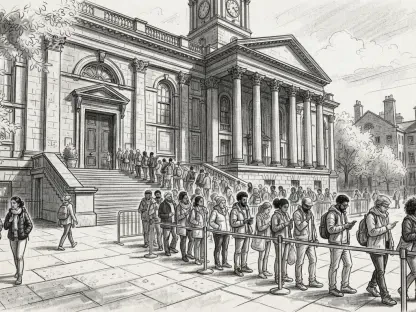
Maintaining democratic integrity during this reorganization period presents a unique challenge, as elections for current councils are held even though those bodies are scheduled for abolition. Critics argue that this creates a lame duck situation, where elected officials lack the long-term mandate necessary to initiate significant new projects or respond to evolving community needs. This overlap can lead to decreased voter turnout and general public confusion, as the electorate is asked to participate in a system that is fundamentally temporary. Furthermore, legal challenges from groups such as Reform UK at the county level have introduced an additional layer of volatility to the process, threatening to delay the established timeline. Ensuring that the transition to the new mayoral authority is viewed as legitimate by the public is essential for its future success. Without clear communication and a stable roadmap, there is a risk that the new system will inherit a legacy of skepticism and administrative fatigue before it even begins.
Community Resilience: Balancing Legacy and Social Progress
Local Leadership: Honoring the Impact of Foundational Figures
Amidst the structural upheaval, the county has also had to contend with the loss of influential figures who provided stability and guidance during previous periods of crisis. The passing of Graham Gooch, a former Detective Chief Superintendent and long-serving councillor, served as a poignant reminder of the human leadership required to navigate complex social challenges. During his tenure as the cabinet member for adult services, he played a critical role in managing social care during the pandemic, an experience that underscored the importance of empathy and expertise in local governance. His legacy highlights the reality that while structures and funding streams are vital, the success of any administrative system ultimately depends on the quality and dedication of its people. As Lancashire transitions to its new governance model, there is a concerted effort to preserve the high standards of public service that figures like Gooch championed throughout their careers. This focus on legacy helps ground the current reforms in a tradition of community-focused leadership.
Future Pathways: Actionable Strategies for Social Welfare
In the preceding months, Lancashire officials addressed immediate community crises through targeted social initiatives that sought to balance fiscal responsibility with ethical care. Local councils, particularly in areas like Pendle, implemented strategies to move away from temporary accommodations for the homeless, favoring leased properties that offered more stability for vulnerable populations. This proactive approach saved significant taxpayer funds and demonstrated a commitment to practical, compassionate governance during a time of broader structural uncertainty. Meanwhile, niche community projects and heritage preservation efforts continued to move forward, illustrating the diverse priorities that local leaders managed alongside the grander reorganization. These localized successes provided a necessary counterweight to the administrative friction of the mayoral transition, proving that the welfare of the citizenry remained the central priority. By focusing on actionable solutions and honoring the legacies of the past, the region prepared a foundation that integrated the efficiencies of a new system with the deeply held values of the community.