
The transition toward a diversified energy portfolio in Louisiana is being framed by experts as an evolution of the existing maritime workforce rather than a total replacement of it. This shift marks a critical juncture for a state historically anchored by oil and gas extraction, as it now faces an unprecedented surge in electricity demand driven by a massive influx of capital-intensive projects. During recent discussions at the Future of Energy Forum, industry leaders emphasized that the current expansion of industrial facilities—ranging from advanced manufacturing to massive data centers—is colliding with the physical constraints of an aging power grid. To maintain its competitive edge, the state is forced to move beyond traditional energy models to integrate a variety of sources that ensure both reliability and affordability. The tension between rapid economic development and the need for a modernized infrastructure has transformed renewable energy from a theoretical environmental goal into a pragmatic necessity for sustaining the state’s industrial momentum through 2026 and beyond.
Part 1: Industrial Expansion and the Digital Gold Rush
The sheer scale of economic growth in Louisiana is currently the primary catalyst for this energy evolution, with over $183 billion in announced capital investments slated for development starting from 2026. This influx is fueled largely by a “digital gold rush” as major technology firms like Meta and Amazon seek to establish expansive data center hubs within the state. These facilities require immense amounts of electricity around the clock, creating a demand profile that the existing grid was never designed to handle. For these global tech entities, the decision to invest hinges not only on tax incentives but on the availability of a stable and high-capacity power supply. Consequently, the conversation regarding the energy mix has shifted away from political ideology toward pure economic pragmatism. To capture these multi-billion-dollar opportunities, the state must demonstrate a clear path toward increasing its total generation capacity while simultaneously upgrading the transmission lines needed to move power from production sites.
Part 2: Corporate Sustainability and Solar Deployment
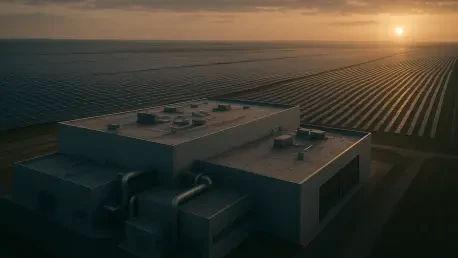
Adding another layer of complexity to this industrial expansion is the fact that many modern investors arrive with pre-set sustainability goals and strict carbon-neutrality mandates. These corporate requirements mean that the power provided must be increasingly green to satisfy internal environmental, social, and governance standards. Utility-scale solar has emerged as a particularly attractive solution in this context because it can be deployed significantly faster than traditional natural gas or nuclear power plants, which often face years of construction and regulatory delays. By integrating renewable sources quickly, Louisiana can meet the immediate energy shortfalls that threaten to stall new projects. This strategy does not aim to eliminate natural gas, which remains a cornerstone of the regional economy, but rather to supplement it with enough green energy to meet the diverse needs of high-tech manufacturing. Balancing these requirements is essential for ensuring that Louisiana remains an attractive destination for global industry.
Part 3: Maritime Heritage and Workforce Transferability
One of the state’s most significant strategic advantages in this transition is the inherent transferability of its specialized maritime and industrial workforce. Decades of experience in offshore oil and gas production have equipped Louisiana’s shipyards, marine service providers, and engineers with a unique skill set that is directly applicable to the offshore wind sector. Even if wind farms are not situated directly off the Louisiana coast, the state’s industry can thrive by constructing the specialized vessels and heavy components required for projects along the Atlantic and Pacific coasts. State officials have noted that this “oil-to-wind” pipeline allows the economy to evolve by leveraging existing infrastructure rather than starting from scratch. By positioning itself as a manufacturing and logistics hub for offshore energy, Louisiana ensures that its local workers remain at the forefront of global engineering. This evolution preserves the state’s industrial legacy while providing a sustainable pathway for growth.
Part 4: Federal Policy Dynamics and Investment Risks
Despite these natural advantages, the expansion of the renewable sector is frequently hindered by significant regulatory volatility at the federal level. This “regulatory whiplash” was recently exemplified by the $1.22 billion settlement involving the energy firm RWE, which chose to relinquish its offshore wind leases after concluding that the permitting process was no longer commercially viable under shifting federal guidelines. Such uncertainty creates a chilling effect on long-term capital commitments, as investors find it difficult to price the risk of sudden policy reversals. In many cases, capital that was originally earmarked for green energy projects is redirected toward natural gas and liquefied natural gas investments, which are perceived as having a more predictable regulatory path. For Louisiana to capitalize on the transition, there is a clear need for a stable and transparent policy framework. Without this consistency, the state risks losing substantial investments to international markets where the energy landscape is more reliable.
Part 5: Technical Constraints and Grid Interconnection
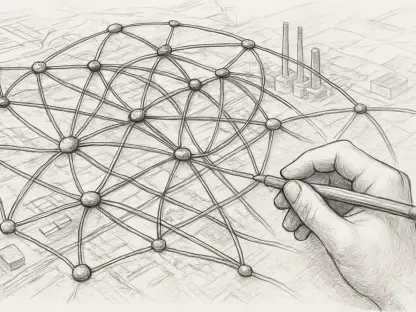
Even when the financial resources and political will for energy expansion are present, the physical and bureaucratic “plumbing” of the regional power grid remains a formidable obstacle. The Midcontinent Independent System Operator, which oversees the regional grid, currently manages a massive interconnection queue that has created a significant backlog for new projects. This means that even if a utility-scale solar farm is fully funded and ready for construction, it might sit idle for several years while waiting for the necessary interconnection studies and permissions to plug into the system. This technical bottleneck is not limited to renewables; conventional power generation also faces severe supply chain hurdles, with lead times for essential natural gas turbine equipment now stretching multiple years from 2026. These delays create a scenario where the state’s energy supply cannot keep pace with the rapid rate of industrial demand. Addressing this congestion requires not only administrative reforms but also physical grid hardening.
Part 6: Strategic Diversification and Economic Resilience
The prevailing consensus among energy experts is that Louisiana must pursue a “both/and” strategy that utilizes every available technology to meet the looming surge in demand. Because no single energy source can be deployed rapidly enough to solve the current shortfall, a diverse mix of solar, battery storage, natural gas, and nuclear power is viewed as the only viable path forward. This approach treats the energy grid as vital economic infrastructure, comparable to the state’s highway and port systems. By integrating intermittent renewable sources with reliable baseload power from gas and nuclear plants, the state can create a more resilient system capable of weathering both mechanical failures and fuel price spikes. This strategy also helps mitigate the impact of global supply chain disruptions by diversifying the types of equipment and raw materials required for energy production. Ultimately, a multi-faceted energy portfolio ensures that the state provides the uninterrupted power required by high-tech industries.
Part 7: Local Governance and Community Engagement
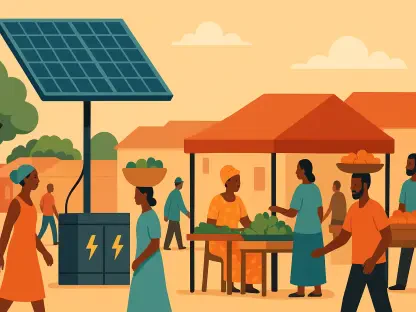
On the local level, the development of renewable energy infrastructure faces increasing pushback from communities concerned about land use and environmental aesthetics. In areas like Vernon Parish, local governments have implemented moratoriums on solar development to address resident anxieties regarding the footprint of large-scale arrays. Furthermore, new state laws enacted in 2025 have increased the regulatory burden on developers by requiring specific state permits for any solar project exceeding 75 acres. These hurdles add layers of complexity to development timelines and can deter investors who are looking for a path of least resistance. To overcome these challenges, developers must move beyond mere regulatory compliance and prioritize deep, transparent community engagement early in the project lifecycle. Building trust with local landowners and officials is essential for securing the long-term viability of energy projects while demonstrating the economic benefits of solar development to the community.
Future Outlook: Building a Resilient Energy Framework
The pursuit of long-term economic resilience required a fundamental shift in how the state perceived its energy resources, moving toward a model defined by affordability, reliability, and decarbonization. Leaders recognized that diversity was resilience and acted to protect the grid from the extreme price volatility that often followed a heavy reliance on any single fuel source. By treating clean electricity as a primary tool for business attraction, the state successfully bridged the gap between its historical industrial base and the demands of the modern tech economy. Moving forward, the most effective path involved streamlining the interconnection process and fostering a stable regulatory climate that encouraged consistent private investment. Community leaders and industrial stakeholders worked together to ensure that energy projects provided tangible benefits to local parishes while supporting the broader state economy. This collaborative approach proved that Louisiana could indeed maintain its status as a powerhouse while meeting the clean energy standards.