
As the sun sets over the Mediterranean horizon, a suffocating blanket of thermal energy remains trapped within the dense labyrinth of Barcelona’s historic streets, turning what should be a coastal paradise into a high-temperature furnace. The city is currently navigating a period of unprecedented climate volatility where temperature records are no longer outliers but seasonal constants that threaten the health of hundreds of thousands of residents. While the entire metropolitan area grapples with these rising numbers, the impact is far from uniform across the city’s various districts, revealing a deep-seated environmental injustice. In neighborhoods like El Raval, the convergence of high-density architecture, a near-total lack of greenery, and persistent socioeconomic hardship has created a perfect storm of environmental danger. This crisis is not merely a byproduct of global warming but is deeply rooted in the physical and social fabric of the city itself, where the ability to stay cool has become a luxury that many simply cannot afford.
The statistics surrounding this crisis have become increasingly grim as the heat intensifies year after year. Recent temperature records in the city have shattered historical peaks, contributing to hundreds of heat-related fatalities across the province in a matter of weeks during the most recent summer surge. Projections from climate researchers indicate that Barcelona could face the highest heat-attributable mortality rate of any European city by the end of the century if current trends continue unabated. This extreme vulnerability is driven largely by the city’s specific Mediterranean geography and its extreme residential density, which prevents natural cooling through sea breezes in the most congested areas. As the asphalt absorbs radiation throughout the day, the lack of thermal relief becomes a silent killer, primarily affecting those who live in the oldest, least ventilated parts of the urban core.
The Geography of Social and Thermal Risk: Mapping Vulnerability
Intersecting Factors: Why Density and Poverty Amplify Risk
The neighborhood of El Raval is officially recognized as the most heat-vulnerable district in the city, particularly during the dangerous nighttime hours when temperatures often fail to drop below seventy-five degrees Fahrenheit. This status is the result of several overlapping factors, including some of the highest population densities in Europe and median incomes that fall significantly below the regional average. Financial constraints mean many families cannot afford modern cooling technology or the exorbitant electricity costs required to run air conditioning units during peak hours. Consequently, residents are forced to endure stagnant, overheated air inside their homes, leading to chronic heat stress that exacerbates existing health conditions and prevents the body from recovering from the day’s exposure.
Furthermore, the physical structure of these low-income neighborhoods complicates the survival of their inhabitants in ways that more affluent districts do not experience. Many buildings in the historic center are centuries-old structures that lack modern thermal insulation and were never designed with the principles of cross-ventilation in mind. These indoor environments act as heat traps, absorbing the sun’s energy through thick stone walls and releasing it slowly throughout the night. For the large migrant population living in multi-generational or shared housing, these cramped conditions turn private residences into hazardous spaces. When multiple people occupy a single small apartment without adequate airflow, the internal temperature can quickly exceed the external ambient temperature, creating a domestic environment that is fundamentally unsafe for human habitation during a heatwave.
Thermal Inequity: The Impact of Materials and Green Space
The primary driver of this localized warming is the heat-island effect, a phenomenon where heavy architectural development and a lack of vegetation trap thermal energy within the city’s surfaces. In neighborhoods like El Raval, where asphalt, concrete, and stone dominate the landscape, there is virtually no opportunity for the environment to cool down through evapotranspiration. Unlike the wealthier, leafier suburbs on the hills of Collserola, the inner city lacks the canopy cover necessary to provide shade and lower ground-level temperatures. This creates a cycle of persistent heat that prevents residents from finding any relief even after the sun sets, as the very streets they walk on continue to radiate heat long into the early morning hours.
This thermal disparity is a direct reflection of historical urban planning decisions that prioritized commerce and density over environmental health and residential well-being. In more affluent areas, wider boulevards and private gardens provide natural cooling buffers that significantly lower the local microclimate temperature. In contrast, the narrow alleys of the old city were built to maximize space, leaving no room for the “green lungs” that are essential for climate resilience. As the frequency of extreme weather events increases, this lack of infrastructure becomes a form of structural violence, where the geographic location of one’s home becomes the primary determinant of their likelihood of surviving a heatwave. The physical environment thus reinforces social stratification, ensuring that those with the fewest resources are forced to live in the hottest, most dangerous parts of the city.
Structural Gaps and Institutional Failures: The Limits of Public Protection
Health Disparities: Protecting the Most Vulnerable Demographics
The heat crisis does not affect all demographics equally, as elderly residents and those with chronic health conditions face the highest risks of hospitalization and death. Older women living alone in poorly insulated homes are statistically the most likely to suffer fatal consequences during heatwaves, often due to a combination of physiological vulnerability and social isolation. Many of these seniors suffer from cardiovascular or respiratory issues that are significantly aggravated by high temperatures, yet they often lack the digital literacy or social support networks needed to access emergency cooling services. Even when cooling equipment like fans or portable air conditioners are available, many seniors find it difficult to use them due to the sheer cost of operation or fears about the safety of the electrical systems in their aging apartments.
Beyond the immediate physiological risks, the mental health toll of living in a perpetual state of heat-induced distress is profound. Chronic sleep deprivation caused by high nighttime temperatures leads to cognitive decline, increased irritability, and a general weakening of the immune system among the elderly population. The lack of institutional outreach to these isolated individuals means that many are only discovered after their health has reached a critical stage, often too late for effective medical intervention. This systemic failure to protect the most vulnerable members of society highlights the need for a more proactive, door-to-door approach to climate health, rather than relying on residents to seek out assistance on their own in a city that is becoming increasingly hostile to their survival.
Infrastructure Limitations: The Climate Shelter Paradox
To address these growing dangers, the city government has established a network of climate shelters, which include air-conditioned libraries, community centers, and museums. However, these facilities have significant logistical limitations that prevent them from serving the populations that need them most. One of the most glaring issues is that most of these spaces close their doors at night, which is exactly when residents in poorly ventilated homes are most in danger of heatstroke. Furthermore, many seasonal shelters, such as local schools, are unavailable during the hottest months of July and August because they are closed for the summer break. This lack of twenty-four-hour access means that a significant portion of the high-risk population remains unprotected during the hours when the urban heat island effect is most oppressive.
Additionally, the geographical distribution of these shelters often ignores the actual movement patterns and comfort levels of the marginalized communities they are meant to serve. Undocumented migrants and the homeless population may feel unwelcome or even unsafe entering formal government buildings, leading them to avoid these designated cooling zones altogether. There is also the issue of physical accessibility; for an elderly person with mobility issues, a ten-minute walk through the blistering sun to reach a climate shelter can be a life-threatening endeavor in itself. Without a decentralized network of smaller, community-led cooling stations that operate around the clock, the current institutional strategy remains a top-down solution that fails to bridge the gap between official policy and the lived reality of those on the front lines of the climate crisis.
Community Resilience and Technological Integration: Designing the Path Forward
Grassroots Solutions: The Role of Autonomous Green Spaces
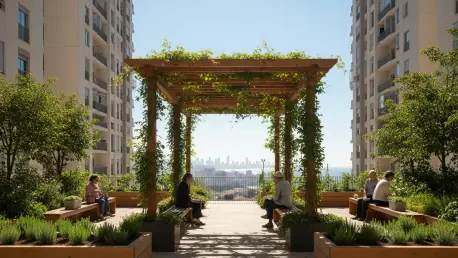
In the absence of adequate institutional support, the residents of El Raval have taken matters into their own hands by building their own defenses, such as the Agora Juan Andres Benitez. This self-managed community green space was reclaimed from a vacant lot and has been transformed into a vital sanctuary that provides shade, hydration, and a social safety net for the neighborhood’s most marginalized inhabitants. By planting trees and installing basic irrigation, community members have created a microclimate that is noticeably cooler than the surrounding streets. This space serves not only as a physical refuge from the heat but also as a hub for mutual aid, where neighbors check on one another and share resources that the state has failed to provide.
However, these local sanctuaries are frequently under threat from urban development and legal property disputes, highlighting a disconnect between municipal property laws and the urgent need for climate adaptation infrastructure. The threat of eviction for spaces like the Agora demonstrates that the city still prioritizes land value over human life in its urban planning priorities. To build true resilience, the city must move beyond temporary cooling centers and begin legally protecting and funding these grassroots initiatives. By recognizing these autonomous spaces as essential public health infrastructure, Barcelona could create a more robust and socially integrated response to extreme heat that empowers local communities rather than merely managing them from afar.
Policy Obstacles: The Challenge of Renaturalizing the Historic Grid
Long-term city planning goals, such as the ambitious plan to increase tree cover and “renaturalize” historic districts, face their own set of logistical hurdles that require innovative engineering and political will. Finding space for large trees in narrow, medieval streets is a constant challenge for urban planners, as the underground network of utility pipes and subway lines often prevents deep-root systems from taking hold. Furthermore, securing enough water to maintain new greenery during increasingly frequent drought periods is a significant concern that pits the city’s environmental goals against its water conservation needs. To overcome these obstacles, planners are exploring the use of vertical gardens, permeable pavements, and gray-water recycling systems that can sustain urban flora without straining the municipal water supply.
As heatwaves become more frequent and intense, it is clear that heat acts as a threat multiplier, exposing the deep-seated inequalities that make the urban environment increasingly difficult to survive. The transformation of Barcelona into a climate-resilient city will require more than just technological fixes; it will demand a fundamental redistribution of resources to ensure that the cooling benefits of green infrastructure are shared by all. This includes implementing stricter building codes that mandate thermal insulation in low-income housing and subsidizing the transition to renewable energy for cooling. Only by addressing the intersection of social justice and urban design can the city hope to mitigate the deadly effects of a warming world and ensure that its historic neighborhoods remain habitable for future generations.
The city of Barcelona recognized that the path to climate resilience required a fundamental shift in how urban space was valued and utilized. Planners transitioned from centralized, top-down models toward a more integrated approach that prioritized the cooling of the most vulnerable districts first. They implemented a series of “green corridors” that successfully linked existing parks to the most densely populated areas, providing shaded pathways that lowered ambient temperatures by several degrees. Researchers noted that these interventions significantly reduced the number of emergency room visits related to heat exhaustion in neighborhoods like El Raval. Furthermore, the municipal government adopted a policy of protecting community-managed gardens, viewing them as essential components of the city’s public health infrastructure rather than mere legal liabilities. This collaborative strategy empowered local residents and ensured that cooling solutions were both culturally appropriate and physically accessible. As the city looked toward a more stable environmental framework, it became clear that social equity was the most effective tool for survival in an increasingly volatile climate. Moving forward, the integration of smart irrigation systems and the widespread installation of reflective roofing materials became standard practice across the metropolitan region. These actions demonstrated that while the heat remained a constant threat, the city had developed the structural and social resilience necessary to protect its people. By treating urban inequality as a primary factor in climate risk, Barcelona established a new standard for Mediterranean cities grappling with the realities of the twenty-first century.