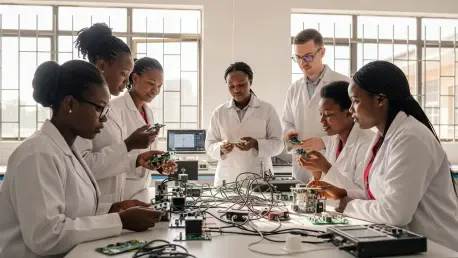

Across the vast landscape of East African education, a transformative movement is taking root as Uganda addresses the critical shortage of qualified female instructors in the fields of science, technology, engineering, and mathematics. This initiative, spearheaded by the Luigi Giussani Foundation, represents a significant leap toward gender parity by providing comprehensive scholarships to 1,000 aspiring female educators who are ready to redefine the classroom experience. By integrating these specialized teachers into the secondary school system, the country is not only filling a logistical void but is also establishing a visible pipeline of mentors who can inspire the next generation of girls to pursue technical careers. The ripple effects of this program extend far beyond the immediate academic benefits, as it challenges deep-seated societal norms and demonstrates that women are central to the technological evolution of the region. Through rigorous training and dedicated support, these women will soon serve as the backbone of a more equitable and robust national education framework.
Strategic Framework: Building a Sustainable Educational Pipeline
This ambitious scholarship program serves as a cornerstone of the broader Leaders in Teaching Uganda initiative, which is meticulously designed to elevate the standard of secondary education across the nation. At its core, the project aligns with the Mastercard Foundation’s “Young Africa Works” strategy, a massive continental effort aimed at enabling millions of young people to secure dignified and fulfilling employment by the end of this decade. In the Ugandan context, the mission is realized through a strategic partnership involving the Ministry of Education and Sports alongside a coalition of international and local non-governmental organizations. This collaborative ecosystem ensures that the scholarship is not an isolated charity effort but a well-integrated component of the national development plan. By focusing on the training of teachers, the partnership addresses the root cause of educational inequality, ensuring that the supply of skilled labor matches the evolving demands of the modern workforce.
To achieve long-term success, the program is built upon four distinct professional pillars that guide every aspect of the teacher development process: recruitment, training, leadership development, and retention. The recruitment phase is particularly vital, as it identifies high-potential women who possess the aptitude for STEM but lack the financial resources to pursue higher education. Once enrolled, the candidates undergo intensive pedagogical training that combines traditional teaching methods with modern, inquiry-based learning techniques specifically tailored for scientific disciplines. This comprehensive approach ensures that when these women enter their assigned schools, they possess the confidence to lead complex laboratory sessions and the technical knowledge to explain advanced mathematical concepts. Furthermore, by emphasizing professional leadership, the program prepares these educators to eventually take on administrative roles, thereby influencing school policies and fostering an environment where STEM education can truly flourish.
Social Equity: Expanding Access through Inclusive Financial Support
A distinguishing feature of this scholarship initiative is its unwavering commitment to social inclusivity, ensuring that the opportunities reach those who have historically been marginalized within the educational system. Recognizing that talent is distributed equally but opportunity is not, the program has established specific enrollment quotas to safeguard the participation of vulnerable groups, including a 7% allocation for recognized refugees and a 5% share for individuals living with disabilities. Additionally, the project acknowledges the importance of professional growth for those already in the field by reserving 20% of the funding for current female teachers who wish to upgrade their existing diplomas to full bachelor’s degrees. This multifaceted strategy not only brings fresh talent into the system but also strengthens the qualifications of the current workforce, creating a tiered level of expertise that benefits students at every stage of their secondary education. Such deliberate measures ensure that the benefits of the STEM revolution are felt across all segments of society.
Beyond the symbolic value of the scholarship, the financial coverage provided to each recipient is designed to be truly comprehensive, removing the myriad of hidden costs that often lead to student attrition. The funding package encompasses all university tuition and functional fees, as well as the significant costs associated with housing and accommodation throughout the duration of the degree program. This all-inclusive model allows students to focus entirely on their academic performance without the constant stress of financial instability. Perhaps most importantly in today’s digital age, each scholar is provided with a personal laptop, a tool that is essential for accessing modern research databases and completing complex coursework. By equipping these future teachers with their own technology, the program also builds their digital literacy, ensuring they are proficient in using digital tools to enhance their own teaching once they graduate. This investment in hardware is a direct investment in the modern efficiency of the future Ugandan classroom.
Institutional Integration: Placement and Long-Term Community Impact
To ensure the highest academic standards, the scholarship program is hosted at several of the most prestigious public and private institutions in the country, such as Makerere University and Mbarara University of Science and Technology. These universities provide the rigorous academic environment necessary for mastering advanced STEM subjects while also offering specialized education departments focused on modern teaching methodologies. The eligibility criteria are intentionally rigorous, requiring applicants to be Ugandan citizens or recognized refugees between the ages of 18 and 35 who have already secured admission to a qualifying science-based education program. Candidates must undergo a thorough vetting process that evaluates their financial need and their genuine passion for the teaching profession. This ensures that the limited scholarship funds are awarded to individuals who are not only academically capable but also deeply committed to the long-term goal of improving the nation’s educational outcomes through dedicated service in the public school system.
A critical component of the scholarship agreement is the mandatory “return of service” policy, which requires all graduates to spend at least two years teaching in rural or traditionally underserved communities. This geographical placement strategy is specifically designed to correct the imbalance of teacher distribution, as qualified STEM educators are often concentrated in urban centers, leaving rural students at a significant disadvantage. By deploying 1,000 highly trained female teachers to these remote areas, the program ensures that high-quality science and mathematics instruction becomes a reality for every child, regardless of their location. This deployment does more than just fill vacancies; it brings diverse perspectives and high-level skills to local communities that might otherwise be left behind by the rapid pace of technological change. As these women integrate into their new schools, they will act as catalysts for local development, proving that quality education is a powerful tool for bridging the socioeconomic divide between different regions of the country.
The successful implementation of this scholarship initiative demonstrated that targeted financial intervention could effectively dismantle the structural barriers preventing women from entering the STEM teaching workforce. By the time the first major cohorts transitioned into their professional roles, the educational landscape had already begun to show signs of increased engagement among female students in technical subjects. To maintain this momentum, stakeholders should now focus on establishing permanent mentorship networks that connect these new teachers with senior educators and industry professionals. Furthermore, integrating these graduates into regional curriculum development committees would allow their unique insights from the field to inform future national education policies. Sustaining the impact of this program will require a continued commitment to infrastructure development in rural schools, ensuring that the teachers have the laboratories and equipment necessary to apply their advanced training. This model of professional empowerment serves as a blueprint for other nations seeking to leverage the potential of their female workforce to drive scientific progress.