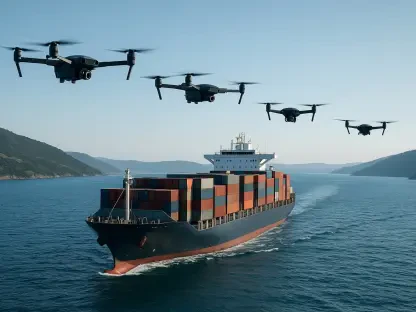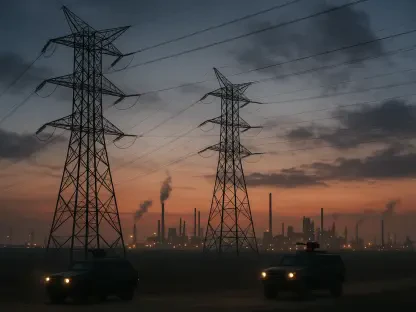

The volatile security landscape in the southern Red Sea has reached a critical tipping point as local hostilities evolve into a systemic threat that could paralyze the foundations of international trade. What began as a localized struggle for regional dominance in Yemen has rapidly transformed into a high-stakes geopolitical standoff with the potential to ignite a global energy crisis. The Bab al-Mandeb Strait, a narrow maritime bottleneck of immense strategic value, currently sits at the center of this escalating tension, serving as a primary target for actors seeking to disrupt the flow of essential resources. Analysts and defense experts are increasingly concerned that a synchronized disruption involving both the Red Sea and the Strait of Hormuz could create a catastrophic supply shock. As the conflict intensifies, the international community finds itself grappling with the reality that maritime security is no longer a localized issue but a fundamental pillar of global economic stability.
The Catalyst: Military Strikes and Broken Truces
The current surge in violence traces its origins to a decisive military strike conducted at Sanaa International Airport, an event that shattered a fragile four-year period of relative calm. Government forces justified the operation by presenting intelligence that the facility was being utilized to receive Iranian cargo flights laden with sophisticated drone components and ballistic missile technology. In contrast, Houthi representatives characterized the strike as a direct assault on humanitarian infrastructure, asserting that the aircraft was intended for the transport of critically ill patients and diplomatic personnel. This fundamental disagreement over the nature of the flight served as the spark for a broader escalation, effectively dismantling the informal truce that had previously prevented large-scale offensive operations. The loss of this diplomatic buffer has led to a rapid remobilization of forces, as both sides prepare for a prolonged engagement that extends far beyond the nation’s borders.
Following the airport incident, the regional security environment deteriorated rapidly as Houthi forces launched a series of retaliatory ballistic missile strikes targeting deep within Saudi Arabian territory. These actions signaled a definitive return to full-scale, cross-border warfare, moving away from the localized skirmishes that had defined the preceding years of stalemate. The precision and reach of these attacks have raised alarms in Riyadh and Washington, suggesting that the capabilities of non-state actors in the region have matured significantly during the period of relative peace. The shift toward targeting high-value economic and civilian infrastructure indicates a strategy designed to inflict maximum pain on regional rivals while demonstrating an ability to bypass existing defense systems. This escalation has not only displaced thousands of civilians but has also forced international oil markets to begin pricing in the risk of sustained instability in one of the world’s most productive energy hubs.
The Economic Weight: Navigating the Gate of Tears
The Bab al-Mandeb Strait, often referred to as the Gate of Tears, remains one of the most significant vulnerabilities in the global logistics network due to its narrow eighteen-mile width. This passage facilitates approximately twelve percent of all international maritime trade, acting as the indispensable link between the Indian Ocean and the Mediterranean Sea via the Suez Canal. In the energy sector, the stakes are even higher, as millions of barrels of crude oil and massive shipments of liquefied natural gas transit this corridor every day to reach consumers in Europe and North America. Any sustained disruption to this flow would effectively sever a primary artery of the global economy, leading to immediate shortages and massive price volatility in energy markets. The geographical reality of the strait means that even small-scale disruptions can have outsized impacts, as modern supply chains are built on the assumption of uninterrupted transit through these specific maritime corridors.
When navigation in the Red Sea becomes too hazardous for commercial vessels, the resulting logistical fallout forces shipping companies to make difficult and expensive decisions. The primary alternative involves bypassing the Suez Canal entirely and circumnavigating the African continent via the Cape of Good Hope, a detour that adds nearly two weeks to the journey. This massive increase in transit time leads to a sharp rise in fuel consumption, increased labor expenses, and skyrocketing insurance premiums for cargo owners and vessel operators. Experts warn that a simultaneous closure or restriction of these major shipping lanes could effectively block up to a quarter of the world’s daily oil supply, echoing the catastrophic economic shocks seen during the previous century. The ripple effects of such a logistical nightmare would extend far beyond the fuel pump, impacting everything from manufacturing schedules to the price of basic consumer goods across the entire globe.
Strategic Infrastructure: Vulnerabilities and Future Solutions
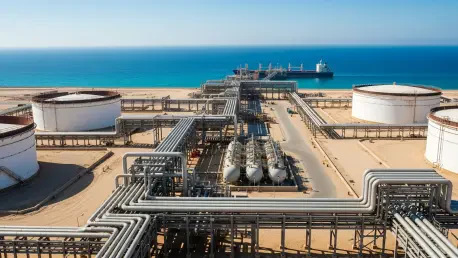
Saudi Arabia has long invested in strategic infrastructure to mitigate the risks of maritime instability, most notably through the construction and expansion of the East-West Pipeline. This massive engineering project was designed to transport millions of barrels of crude oil across the peninsula to the port of Yanbu, theoretically bypassing the volatile waters of the Strait of Hormuz. However, the current escalation in Yemen has exposed a critical flaw in this backup plan, as the oil delivered to the Red Sea coast must still traverse the Bab al-Mandeb to reach major markets in Asia. A sustained Houthi-led blockade or a heightened threat level in the southern Red Sea would render this multi-billion dollar investment largely ineffective for a significant portion of the kingdom’s exports. This reality leaves Saudi energy infrastructure as vulnerable as that of its neighbors, proving that land-based alternatives cannot fully replace the necessity of secure and open maritime passage.
The conclusion of recent military assessments indicated that the evolution of the Yemen conflict into a systemic threat required a fundamental reassessment of global energy security protocols. Leaders recognized that maintaining the freedom of navigation in the Red Sea was no longer a secondary diplomatic concern but a vital necessity for preventing a total collapse of the international distribution network. To address these vulnerabilities, nations began prioritizing the development of more diverse energy sources and decentralized storage facilities to buffer against sudden maritime disruptions. The crisis also highlighted the importance of coordinated international naval task forces that could provide a continuous presence in contested waters, ensuring that no single actor could hold the world’s economy hostage. Moving forward, the focus shifted toward building technological resilience in shipping and strengthening diplomatic frameworks that treat maritime chokepoints as protected global commons rather than regional battlefields.