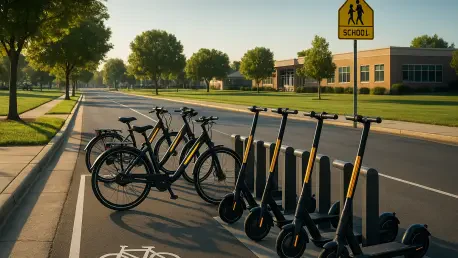

The city’s decision to allow eleven-year-olds to ride e-scooters was heavily influenced by the practical reality that many children depend on them for school commutes. As urban centers across the country grapple with the sudden influx of electric micro-mobility options, Avondale has taken a proactive stance to integrate these devices into the daily fabric of the community. This legislative overhaul followed months of public forums where parents, safety advocates, and local commuters voiced contrasting perspectives on how to share the road. The council faced the daunting task of creating a framework that acknowledges the efficiency of electric motors while mitigating the risks inherent in mixing motorized traffic with pedestrian pathways. By prioritizing access for middle-school students, the city acknowledged that modern transportation needs have shifted, requiring a move away from traditional bicycle regulations toward a more nuanced approach. The final ordinance reflects a compromise designed to bolster safety without creating unnecessary hurdles for residents.
Balancing Safety: Mobility and Autonomy
Determining Fair Age Restrictions for Young Commuters
The debate over age limits became one of the most contentious points during the legislative process, specifically regarding the minimum age for e-scooter operation. Initial proposals suggested a threshold of twelve years, citing data that indicated a higher frequency of minor accidents among younger, less experienced riders. However, proponents of the eleven-year-old limit argued that such a restriction would unfairly penalize sixth graders who utilize these devices to navigate the miles between their homes and school campuses. The council ultimately recognized that for many families, an electric scooter is not a toy but a vital tool that enables children to participate in extracurricular activities and arrive at school on time without relying on parental transport. By setting the age at eleven, the city effectively chose to support the independence of its younger population. This decision was paired with a commitment to enhance local safety programs, ensuring that young riders receive the instruction necessary to handle their devices responsibly in various traffic conditions.
Protecting Parental Rights and Removing Barriers to Play
In a notable rejection of more intrusive regulations, the council struck down a provision that would have required all riders to wear closed-toe shoes. This specific proposal sparked a broader conversation regarding the limits of municipal authority and the preservation of parental autonomy in everyday life. Critics of the footwear mandate argued that enforcing such a rule would be nearly impossible for local law enforcement and would place an undue burden on children engaged in casual recreation. They characterized the proposal as a “barrier to play,” suggesting that a child should not be barred from a quick ride across the street just because they are wearing sandals or flip-flops. By removing this requirement, the council signaled that while they are committed to hardware safety and operational rules, they have no intention of micromanaging the personal attire or lifestyle choices of Avondale residents. This move preserved a sense of normalcy for families, keeping the focus on the mechanical integrity of the devices and the behavior of the riders rather than their clothing.
Operations and Enforcement: Establishing New Standards
Classification and Equipment Mandates for Electric Devices
To bring clarity to a rapidly evolving market, the new ordinance established a clear classification system for electric-driven devices based on their power output and top speeds. Class 3 e-bikes, which can reach speeds of up to 28 miles per hour with motorized assistance, are now restricted to individuals sixteen years of age or older to ensure that only more mature riders handle high-velocity equipment. For Class 1 and Class 2 e-bikes, which typically cap speeds at 20 miles per hour, the minimum age was set at fourteen. Furthermore, the legislation introduced mandatory equipment standards to improve visibility and mechanical reliability across the board. Every motorized device must now be equipped with functioning brakes and visibility lights for operation during low-light conditions. Additionally, a strict helmet mandate was enacted for all riders under the age of sixteen, regardless of the device class. These requirements aim to reduce the severity of injuries in the event of a collision while ensuring that every e-bike on the road meets a baseline of safety.
Safety Protocols for Sharing Sidewalks and Streets
Managing the interaction between high-speed electric devices and pedestrians necessitated the implementation of specific operational protocols for sidewalks and public paths. The new rules mandate that any motorized device operating on a sidewalk must not exceed ten miles per hour and must always yield the right-of-way to pedestrians. This speed cap is intended to prevent the sidewalk from becoming a dangerous environment for walkers, especially the elderly and those with limited mobility. On the street level, the city also addressed the placement of e-scooters, prohibiting their use in bike lanes located on roads with high speed limits to prevent dangerous interactions with heavy vehicular traffic. Furthermore, the ordinance granted the city the authority to designate certain areas as “motor-free zones,” such as sports courts, public plazas, and crowded park sections, provided that clear signage is displayed. These measures were designed to create a predictable environment where different modes of transportation can coexist without compromising the safety of the most vulnerable users.
The Transition: A Phased Approach to Public Education and Penalties
The city established a six-month grace period to prioritize community outreach and education over immediate punitive measures. This transitional phase allowed the local police department to focus on teaching the public about the new codes through warnings and informational pamphlets rather than citations. It was believed that fostering a culture of voluntary compliance would lead to better long-term outcomes than heavy-handed enforcement. Once the educational window closed, a tiered system of civil penalties was introduced, ranging from fifty dollars for a first offense to five hundred dollars for habitual violators. Moving forward, residents were encouraged to register their devices and participate in city-sponsored safety workshops to stay informed of any future adjustments to the code. By focusing on infrastructure improvements and consistent public dialogue, Avondale sought to create a model for other municipalities facing similar transportation challenges. The council remained committed to monitoring accident data to ensure these regulations continued to serve the community.