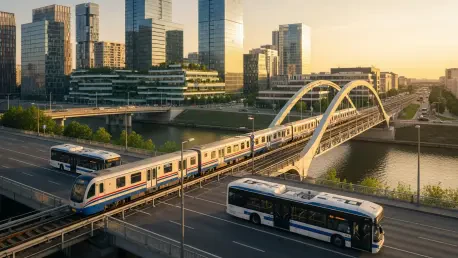

The metropolitan city of Busan recently unveiled a comprehensive strategy to overhaul its public transportation system by offering completely free transit services to both the younger generation and senior citizens. This initiative comes as a response to the city’s evolving demographic landscape, where the aging population is growing while the younger segment is facing increased economic pressure. By eliminating fares for individuals aged 6 to 18 and those 65 or older, the local government aims to foster an environment of greater inclusivity and social mobility. Such a move is not merely about transportation; it represents a significant shift in urban welfare policy, prioritizing accessibility over direct revenue. For many residents, the cost of commuting has long been a barrier to accessing educational hubs, healthcare facilities, and recreational spaces. As the first major South Korean city to propose such an expansive program, Busan is setting a precedent that could redefine how metropolitan centers manage public utilities and support their most vulnerable demographic groups.
Strategic Framework: The New Transportation Policy
Youth Mobility: Enhancing Economic Opportunity
Providing free transit to middle and high school students serves as a vital economic stimulus for families who are currently struggling with the rising costs of living in 2026. This policy ensures that every child, regardless of their family’s financial status, has the means to reach schools, tutoring centers, and part-time jobs without the burden of daily fare expenses. Beyond the immediate financial relief, the measure encourages the younger population to engage more deeply with the city’s cultural and social fabric. By removing the cost barrier, Busan is effectively expanding the geographic classroom for its students, allowing them to explore various districts and participate in activities that were previously out of reach. City planners expect that this increased mobility will drive foot traffic to local businesses in diverse neighborhoods, creating a ripple effect of economic activity. The integration of this benefit into the existing Dongbaek-jeon digital platform will allow for a seamless transition for young commuters.
Senior Residents: Supporting Health and Well-being
The proposed expansion of free transit for seniors addresses the critical issues of social isolation and physical well-being among the elderly population. As individuals age, maintaining an active social life becomes essential for cognitive health, yet the cost of travel often limits their ability to visit family or community centers. By offering universal free access, the city encourages seniors to remain active participants in society, which has been shown to reduce the prevalence of geriatric depression and other health-related complications. This proactive approach to public health is anticipated to lower long-term municipal healthcare expenditures by preventing the decline associated with a sedentary lifestyle. Furthermore, the city is investigating the implementation of off-peak travel incentives to manage passenger volume and ensure that the transit system remains efficient for all users. Refining the current Gyeongno pass to include more transit modes will simplify the travel experience, making the city more navigable for those with mobility challenges.
Future Infrastructure: Economic Sustainability and Growth
Universal Access: Navigating the Financial Challenges
One of the primary concerns surrounding the proposal is the long-term financial sustainability of a fare-free model, especially considering the potential loss of revenue for transit operators. To address this, the administration is developing a multifaceted funding strategy that includes reallocating existing infrastructure budgets and seeking central government support for green initiatives. The rationale is that the reduction in private vehicle usage will lead to lower road maintenance costs and decreased carbon emissions, aligning with environmental goals. To ensure transparency, the city plans to deploy advanced data analytics to monitor transit usage in real-time. This technology will allow officials to adjust bus frequencies and subway schedules based on demand, optimizing resources and preventing overcrowding. By treating public transit as a public good rather than a profit-driven service, Busan aims to create a more resilient urban ecosystem. This data-driven management style will be essential in proving the economic viability of the program to various stakeholders.
Seamless Transition: Strategic Actions for Implementation
The implementation process required a coordinated effort between various municipal departments and technology partners to ensure system compatibility. Officials organized series of town hall meetings to gather feedback from residents, which led to the prioritization of transit safety and accessibility improvements at major hubs. Engineers successfully updated the electronic fare collection systems to automatically recognize age-qualified passes, minimizing potential friction at boarding gates. The city also worked to expand bus routes into suburban areas where transit density was previously insufficient to meet the needs of an aging population. Looking ahead, the focus remained on integrating automated transit shuttles for last-mile connectivity, ensuring that the benefit truly reached every doorstep. These steps were taken to ensure that the transition did not compromise service quality or reliability. By focusing on these logistical foundations, the city established a framework that prioritized user experience. The project demonstrated that proactive urban planning and social welfare could coexist to build a more connected society.