
The coastal city of Plymouth, historically known as the “Ocean’s City,” stands at a critical juncture where the preservation of seventeenth-century maritime architecture must coexist with ambitious modern infrastructure developments designed for a growing population. This delicate equilibrium is most visible in the contrast between the cobbled streets of the Barbican and the sleek, high-tech research facilities emerging along the waterfront. Urban planners are currently tasked with a significant challenge: how to facilitate essential economic expansion without diluting the historical identity that attracts millions of visitors annually. As the city moves forward, the focus has shifted toward creating a sustainable urban environment that respects its naval legacy while embracing the demands of a modern digital economy. By examining the current revitalization efforts, it becomes clear that Plymouth is not merely preserving its past but is using it as a foundational element to define its future trajectory for residents.
Integrating Advanced Infrastructure With Historic Coastal Architecture
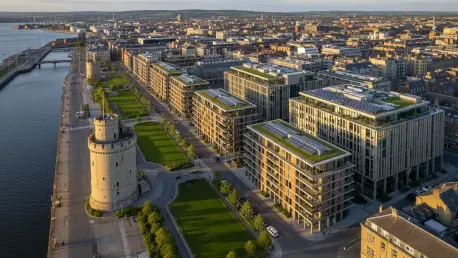
Plymouth’s historic waterfront, particularly the area around the Barbican, provides a lens through which the city’s evolving identity can be analyzed against modern economic demands. Developers have increasingly focused on the Millbay area, where the conversion of derelict docks into a high-end coastal quarter represents a massive investment in the city’s local infrastructure. These projects utilize advanced geological mapping and heritage-impact assessments to ensure that the iconic views of the Sound remain unobstructed by new residential towers. This strategy is not merely about maintaining aesthetics but about fostering a blue economy that leverages the city’s unique geographic position. By integrating the National Marine Park—the first of its kind—into the urban layout, planners are finding ways to celebrate biodiversity alongside new commercial piers. This dual-focus approach ensures that the maritime legacy remains a functional part of the economy rather than a static museum piece for visitors.
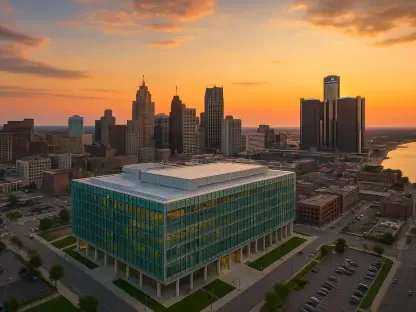
To mitigate tensions between modernization and conservation, municipal authorities have implemented digital twin technology, creating a comprehensive virtual replica of the cityscape to test the impact of proposed structures. This technological intervention allows for precise modifications in building height and material choice, ensuring that glass-and-steel offices do not overshadow the weathered stone of Smeaton’s Tower or the Royal Citadel. Furthermore, the revitalization of the Civic Centre stands as a testament to the city’s commitment to Brutalist heritage, repurposing a controversial post-war structure for contemporary residential and workspace use. This adaptive reuse model serves as a blueprint for sustainable development, proving that architectural evolution does not require the erasure of the past to meet modern needs. By focusing on these existing structures, the city reduces the environmental cost of new construction while maintaining its unique visual character. This method bridges the gap between historical preservation and urban growth.
Sustainable Urban Expansion and Strategic Green Space Preservation
Beyond the shoreline, the city center is undergoing a transformation that seeks to honor the visionary post-war Abercrombie Plan while introducing modern environmental standards. The “Better Places” project has focused on pedestrianization and the restoration of green boulevards, reversing decades of car-centric planning that once isolated the commercial heart of the city. By removing obsolete subways and installing smart lighting and sustainable drainage systems, the urban core is becoming more accessible and resilient to climate change. This phase of development emphasizes the importance of human-scale architecture, where public squares are designed to host community events and digital art installations. This shift reflects a broader trend in urban design where the quality of the public realm is prioritized over sheer commercial density. Consequently, the city is attracting a new demographic of tech entrepreneurs who value high-quality public spaces alongside historical charm and heritage assets in the downtown area.
The city successfully navigated the complexities of urban renewal by prioritizing a collaborative framework that engaged both heritage specialists and private developers from the outset. This proactive stance allowed for the creation of clear guidelines that treated historic assets as catalysts for growth rather than obstacles to be bypassed. Moving forward, the focus shifted toward the implementation of decentralized energy networks and carbon-neutral transportation systems that integrated seamlessly into the existing streetscape. Municipal leaders recognized that the long-term viability of the city depended on its ability to offer a unique cultural identity that could compete with larger global hubs. This necessitated a commitment to ongoing investment in digital infrastructure to support a knowledge-based economy while maintaining the physical links to its seafaring history. The lessons learned from this period suggested that urban growth was most effective when it remained rooted in local context and community values for the future.