
Recent financial reports indicate that the utility has utilized fifty-five percent of its annual budget to meet critical energy waste reduction targets ahead of the final quarter. Traverse City Light and Power (TCLP) is currently navigating a significant shift toward localized electrification and enhanced energy efficiency. This transition is guided by a comprehensive Energy Optimization program mandated by Michigan state law, which requires utilities to prioritize energy waste reduction and electrification upgrades. Through a combination of infrastructure investments and community-focused initiatives, the utility aims to lower consumer costs while significantly reducing the regional carbon footprint. The modernization effort is sustained by a state-approved energy optimization surcharge, which typically costs residential users between $2 and $4 monthly. As of late 2026, TCLP has utilized over half of its annual budget to achieve an impressive 3.48 million kilowatt-hour savings. This reduction is equivalent to the annual energy needs of more than 300 homes, proving that the utility’s financial strategies are effectively meeting state benchmarks for success while providing a measurable return on investment for the community.
Targeted Investment in High-Impact Technology
How Is Residential Electrification Progressing?
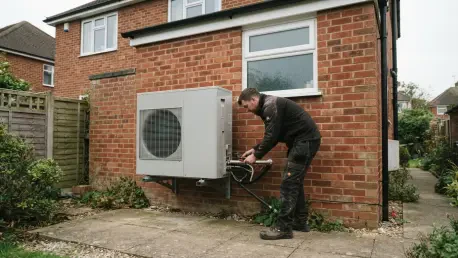
Residential efforts are largely centered on beneficial electrification, with a heavy emphasis on heat pump technology. Approximately 80 percent of residential spending has been dedicated to installing whole-home and auxiliary heat pump systems, which provide superior efficiency for both heating and cooling in the northern climate. By prioritizing these systems, the utility is helping homeowners transition away from less efficient legacy heating methods that often rely on fossil fuels. These heat pump initiatives are not just about hardware; they represent a fundamental change in how households consume energy.
Beyond heating and cooling, the utility provides incentives for electric bikes and electric lawn care equipment to encourage residents to move away from gas-powered tools. Electric bikes now account for nearly ten percent of the residential funding pool, reflecting a growing community interest in alternative transportation that reduces local traffic congestion and emissions. Similarly, the shift toward electric lawn care equipment addresses noise pollution and air quality while reducing the overall carbon footprint. These smaller investments serve as a gateway for consumers to engage with the utility’s broader electrification goals.
What Drives Commercial Energy Savings?
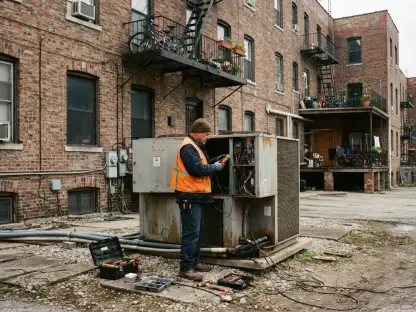
In the commercial and industrial sectors, the investment strategy shifts toward operational efficiency and large-scale infrastructure modernization to achieve maximum impact. Lighting upgrades represent the largest portion of this spending at 41 percent, as businesses replace outdated fixtures with high-efficiency LED systems that offer immediate and significant energy savings. Following closely behind is the implementation of automated energy control systems, which account for roughly one-third of the commercial budget. These smart systems allow business owners to monitor and manage their energy usage in real-time.
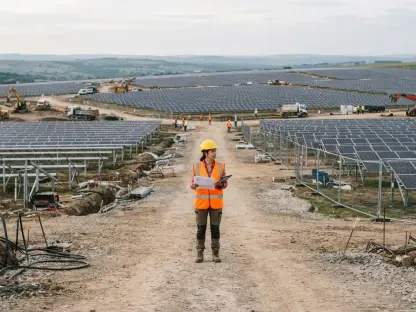
While lighting and controls dominate the commercial budget, the utility also allocates funds toward renewable energy generation and industrial-scale heat pump installations. Solar generation currently accounts for a smaller but vital portion of the spending, providing businesses with the opportunity to offset their grid reliance with clean power. Heat pump technology in the commercial sector is also gaining traction, representing about eight percent of the allocated funds as enterprises look for more efficient ways to manage large-scale climate control. These investments move industrial players toward a more carbon-neutral operational model.
Building Community Literacy and Future Readiness
How Does Energy Coaching Support Homeowners?
To ensure these technological upgrades are accessible and understandable for all residents, TCLP launched an Energy Coaching program that provides professional assessments for single-family homeowners. This initiative is designed to bridge the gap between technical availability and consumer implementation by offering expert guidance throughout the renovation process. Participants receive tailored action plans that identify the most effective energy-saving projects for their specific properties, whether they involve insulation improvements or the installation of a new heat pump system.
The success of the residential coaching model has prompted utility leadership to explore expanding these services to commercial clients in the near future. As the current grant funding period concludes, the goal is to integrate these coaching services into the permanent utility offerings, ensuring that professional energy advice remains a cornerstone of the customer experience. This expansion would provide small business owners with the same level of detailed analysis and support that homeowners currently enjoy, further driving efficiency across the city and ensuring that energy waste is minimized.
What Is the 2027-2028 Strategic Roadmap?
Looking toward 2028, TCLP is preparing to launch a residential demand response program coupled with innovative time-of-use electricity rates. These initiatives are specifically designed to incentivize customers to shift their power consumption to off-peak hours, thereby reducing significant grid strain during periods of high demand. By running heavy appliances or charging electric vehicles during the night, residents can benefit from lower rates while helping the utility avoid the need for expensive power plants. This shift in consumer behavior is essential for maintaining grid stability.
To support this major transition, the utility will introduce public workshops and educational toolkits for local schools starting in early 2027 to foster long-term energy literacy. These programs aim to educate the next generation of energy consumers on the importance of efficiency and the mechanics of a modern electrical grid. Additionally, the launch of a new ambassador program will encourage peer-to-peer advocacy within the community, allowing residents to share their success stories. These grassroots efforts are vital for building the social buy-in necessary for large-scale technical shifts.
Establishing Long-Term Energy Resilience
The comprehensive evaluation of these strategic initiatives demonstrated that successful energy modernization required more than just financial incentives; it demanded a deep commitment to community education and advanced research. The utility successfully aligned its fiscal spending with state mandates while simultaneously building the human infrastructure necessary to support a more electrified future. Moving forward, stakeholders and residents should focus on active participation in the upcoming demand response programs to maximize the benefits of the new rate structures. This transition proved that local utilities could serve as effective catalysts for regional sustainability when they combined technological investment with transparent communication. The integration of academic data and professional coaching established a robust model for reducing energy waste that other regions could potentially replicate. By removing barriers to electrification and fostering a culture of energy literacy, the utility laid the groundwork for a resilient and sustainable grid. The next phase of development will likely center on the widespread adoption of battery storage and the refinement of time-of-use strategies.