
The 2024 survey results serve as a direct roadmap for local officials in Gillette and Wright as they prepare for the high-stakes general election on November 3rd. This data represents a critical juncture for Campbell County, where the legacy of the “Penny Power” sales tax, a fixture since 1976, faces its quadrennial review by the electorate. With a robust response rate of 11.6 percent from over 18,000 registered voters, the feedback provides a statistically significant cross-section of a community dominated by long-term residents. These individuals are not merely passing through; they are invested stakeholders who view the one-percent tax as a primary lever for local development. As the region navigates the economic landscape of 2026, the survey underscores a deep-seated desire for fiscal prudence and tangible results. Local governments must now reconcile these public expectations with the logistical realities of managing a growing municipality while ensuring that every cent is accounted for in the public ledger.
Foundations of Civic Stability and Public Safety
Protecting the Community with Essential Services
Public safety remains the definitive cornerstone of community trust in Campbell County. The survey results indicated that approximately 70 to 73 percent of respondents across Gillette and Wright identified fire, police, and emergency medical services as their highest funding priorities. This overwhelming consensus suggests that residents view these departments not just as services, but as the essential bedrock of local stability. In the current 2026 fiscal environment, maintaining these levels of protection requires a disciplined allocation of sales tax revenue to ensure that response times remain low and equipment stays modernized. The qualitative feedback reinforced this, with many taxpayers expressing that the “Penny Power” funds should be the primary mechanism for sustaining high-quality emergency response. For local officials, the message is clear: any diversion of funds away from these core protective services could lead to significant public dissatisfaction as the election approaches.
Maintaining Critical Municipal Infrastructure
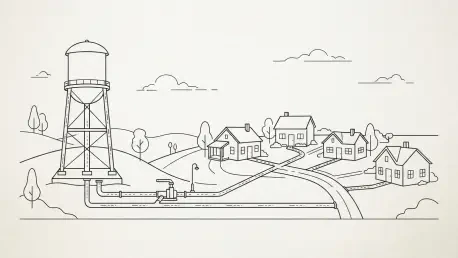
Closely tied to the mandate for emergency response is the critical demand for physical infrastructure maintenance throughout the region. Residents have expressed a unified requirement for the upkeep of existing streets, pavement management systems, and water and sewer improvements. This preference indicates a shift away from aggressive expansion in favor of preserving the current assets that facilitate daily life and commerce. By focusing on street upgrades and the rehabilitation of older water lines, the county can prevent the more costly emergency repairs that often arise from deferred maintenance. The emphasis on these functional services highlights a pragmatic community mindset that values the longevity of municipal systems over the allure of new construction. As these projects move forward in 2026, the challenge will be to manage the logistics of construction while meeting the high standards of durability expected by the voting public who fund these essential repairs.
Strategic Allocation and Financial Accountability
Addressing Urban Logistics and Waste Management
Beyond the functional requirements of safety and roads, the survey captured a significant “back-to-basics” sentiment regarding urban aesthetics and waste management. Many residents voiced frustration with expenditures on decorative items, such as statues or elaborate planters, arguing that these funds would be better utilized on the maintenance of existing sidewalks and parks. This ideological shift reflects a broader call for utility-driven governance where every dollar spent on the urban landscape has a clear, functional benefit for the pedestrian or the homeowner. Additionally, there is a substantial push for the reinstatement of community-wide recycling programs to extend the lifespan of the local landfill. This environmental concern is coupled with a desire for practical solutions to waste, suggesting that taxpayers are looking for services that solve long-term logistical problems rather than those that simply improve the visual appeal of the city’s downtown corridors.
Evaluating Social Services and Taxpayer Transparency
The data also revealed significant ideological divisions concerning the allocation of funds to social services and nonprofit organizations. While some residents support the use of tax revenue for community health programs, a vocal segment believes the “Penny Power” funds should be strictly reserved for infrastructure and first responders. Many critics expressed concerns regarding the cumulative burden of rising property taxes and utility costs, occasionally labeling the tax a “slush fund” if oversight appeared insufficient. Ultimately, these results provided a nuanced look at a community that valued safety and utility above all else. To satisfy these concerns in the 2026 cycle, officials should implement rigorous auditing for all funded nonprofits and provide transparent, data-driven reports on service outcomes. This approach will ensure that vital amenities like the recreation center and CAM-PLEX remain well-funded while maintaining the high level of public trust necessary for the tax’s continued success.