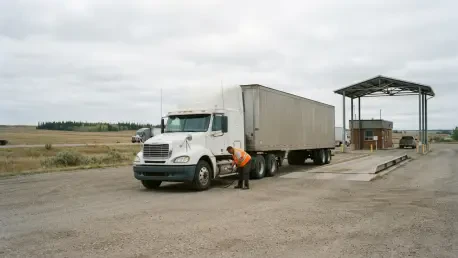

Commercial carriers and drivers could face significant new hurdles if they fail to maintain safety standards, including the public disclosure of their safety records to provincial consumers. This directive serves as a cornerstone of the Safe and Sensible Roads Act, 2026, which represents the first comprehensive overhaul of Alberta’s transportation laws in over two decades. As the province navigates a period of rapid population growth and shifting economic demands, the government aims to modernize a framework that has struggled to keep pace with the sheer volume of traffic and the introduction of new technologies. By focusing on accountability and safety, the act seeks to create a more resilient network for all residents, from industrial operators to daily commuters. The primary objective is to foster a safer environment where regulations are transparent and enforceable. This legislative move reflects a commitment to ensuring that the province’s roads remain efficient and safe amidst unprecedented growth, providing a modernized foundation for the future of provincial transit and logistics.
Enhancing Commercial Transport Standards
How Will Commercial Trucking Regulations Change?
The proposed amendments to the Traffic Safety Act introduce a significant escalation in financial penalties aimed at curbing high-risk behavior within the commercial trucking sector. Most notably, the maximum fine for severe safety infractions, such as striking overhead bridges or demonstrating a persistent pattern of safety neglect, will increase from $10,000 to $50,000. This fivefold increase is intended to serve as a formidable deterrent against negligence that often leads to costly infrastructure damage and endangers the lives of other motorists. Furthermore, provincial authorities will gain expanded powers to intervene directly when drivers fail to uphold established standards. This includes the ability to downgrade a commercial license to a lower class or to impose specific, restrictive conditions on a driver’s operating privileges. Such measures ensure that only those who demonstrate a consistent commitment to safety are permitted to operate heavy equipment on public roads.
Transparency is another critical pillar of the new regulatory environment, with the province moving to publicly identify those who compromise road safety. Under the new rules, the government will maintain a public record of commercial carriers, drivers, and corporate directors who fail to meet provincial safety benchmarks. This approach extends beyond the drivers themselves to include secondary service providers, such as driving schools, examiners, instructors, and vehicle inspection facilities. By making this information accessible to the public, the legislation incentivizes companies to prioritize safety as a core business value rather than a mere compliance checkbox. This “naming and shaming” provision is designed to empower consumers and businesses to make informed decisions about the carriers they hire. Ultimately, the goal is to cultivate a culture of accountability where safety excellence is rewarded and habitual non-compliance carries heavy reputational and financial risks.
Will New Standards Protect Vital Industrial Corridors?
These reforms carry significant weight for Northern Alberta, where transportation corridors like Highway 63 and Highway 881 serve as the lifeblood of the provincial economy. These routes are essential for transporting heavy industrial equipment and materials necessary for oil sands operations. However, these highways present unique safety challenges because they must accommodate massive industrial loads alongside standard passenger vehicles. The high volume of heavy-haul traffic creates a precarious environment where any lapse in safety can lead to catastrophic consequences for both workers and the public. By tightening the safety requirements for commercial carriers operating in these zones, the act aims to minimize the frequency of accidents that disrupt economic activity and threaten lives. Strengthening the oversight of these industrial lifelines ensures that Alberta can continue to drive its economic engine while maintaining a high standard of protection for everyone.
Beyond immediate safety benefits, the legislation addresses the long-term reliability of these critical economic corridors by reducing the incidence of infrastructure damage. Repeated strikes on bridges and overpasses by over-height vehicles have historically caused significant delays and expensive repairs that drain public resources. By imposing stiffer penalties and more rigorous training requirements, the government seeks to eliminate these preventable incidents that hamper the flow of goods to the north. The act also facilitates better communication between commercial operators and provincial regulators, ensuring that safety protocols are consistently applied across the entire length of these industrial routes. This proactive approach to corridor management recognizes that the safety of professional drivers and the general public is inextricably linked to the efficiency of the provincial supply chain, providing a robust framework for managing the intersection of industry and public mobility.
Future-Proofing Provincial Infrastructure
The provincial administration successfully established a clear roadmap for modernizing Alberta’s transportation network through the comprehensive Safe and Sensible Roads Act, 2026. This legislation addressed the urgent need for a regulatory framework that reflected the realities of a population that grew to over five million residents. By prioritizing accountability in the commercial sector and establishing clear standards for personal mobility, the government moved to reduce the risks associated with high-volume traffic and technological change. Stakeholders and municipalities began preparing for the transition period ahead of the full implementation scheduled for next year. These efforts ensured that safety standards were finalized and that the public remained informed about the new transparency measures. Looking forward, the focus shifted toward consistent enforcement and the integration of infrastructure planning with broader economic goals. This proactive stance provided a stable foundation for the province to manage its continued growth while ensuring the safety and efficiency of its vital transit corridors.