
The introduction of Bill C-39 has ignited a fierce national debate over whether economic growth should supersede the constitutional obligations owed to Indigenous communities. As 2026 progresses, the Building Canada Strong Act has moved to the forefront of the political stage, sparking a series of coordinated protests that have stretched from the Pacific coast to the Atlantic provinces. Protesters in Edmonton recently gathered outside the offices of Liberal Members of Parliament to demand a halt to the legislation, which they argue constitutes a historic overreach of executive power. Under the leadership of Prime Minister Mark Carney, the federal government has presented the bill as a necessary evolution of national economic strategy, designed to insulate Canada from the trade volatility and political unpredictability seen in the United States. However, the diverse coalition opposing the bill—comprising Indigenous elders, labor leaders, and climate activists—views it as a systematic dismantling of the social and environmental protections that define the nation.
Legislative Framework and Sovereignty
The Mechanics: Building Canada Strong Act
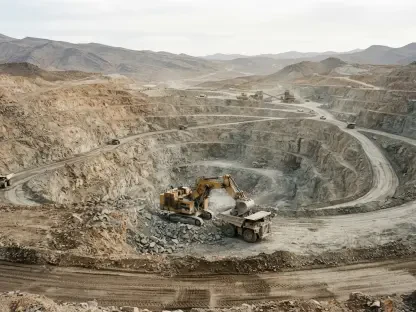
The legislative architecture of Bill C-39 is built around the concept of accelerating major infrastructure projects by removing what the administration describes as bureaucratic bottlenecks. One of the most significant and controversial features is the designation of regions of national interest, which grants the federal cabinet the authority to issue broad regulatory exemptions for entire geographic areas. This shift allows the government to bypass the standard project-by-project environmental and land-use reviews that have long been a staple of Canadian resource management. By centralizing this authority, the Carney administration aims to ensure that strategic assets in energy and mining can be developed with unprecedented speed to meet global demand. Proponents argue that such agility is required to maintain national competitiveness and protect Canadian industries from external economic shocks. However, critics suggest that this centralized control effectively limits the ability of local communities and provincial governments to voice their concerns.
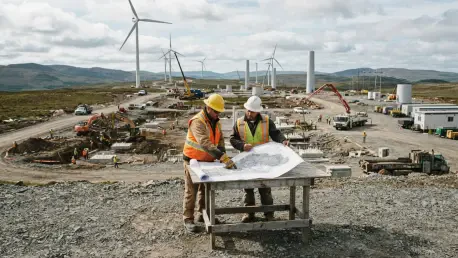
Complementing these broad exemptions is an aggressive mandatory timeline that requires project construction to begin within exactly twelve months of its initial approval. This one-year window is a sharp departure from traditional development cycles, which often involve multiyear assessments and iterative consultation processes. Furthermore, the legislation removes the five-year sunset clause found in previous building acts, making regulatory exemptions permanent once they are granted by the executive branch. This change ensures that once a project is labeled as being in the national interest, it can proceed indefinitely without the threat of its permits being revoked due to shifting environmental standards or political changes. For environmental advocates, this is particularly alarming because it allows construction to start and continue even if streamlined impact assessments are still under review or being challenged in court. The resulting sense of permanence and speed is seen as a way to prioritize industrial efficiency over the cautious vetting required to prevent long-term ecological degradation.
Rights and Protections: Indigenous and Labor Impacts
Indigenous leadership has voiced profound opposition to Bill C-39, asserting that the act’s expedited timelines represent a direct assault on the Crown’s constitutional duty to consult and accommodate. By forcing a twelve-month construction deadline, the federal government effectively precludes the possibility of meaningful, deep-seated engagement with First Nations communities whose traditional lands are impacted. Critics point out that the 243-page document conspicuously avoids any reference to the United Nations Declaration on the Rights of Indigenous Peoples or the standard of free, prior, and informed consent. Elder Cleo Reese of the Fort McMurray First Nation has emphasized that the seniority of Treaty relations, such as Treaty 8, must be respected as the foundation of any land-use decision. The concern is that the bill treats Indigenous groups as stakeholders to be managed rather than sovereign partners with distinct legal rights. This perceived regression in the relationship between the state and First Nations is likely to trigger extensive litigation that could undermine the very economic stability the bill seeks to foster.
The labor movement has also joined the opposition, focusing on amendments to the Canada Labour Code that appear to undermine the fundamental right to collective bargaining. Bill C-39 includes provisions that allow the government to halt legal strikes by invoking the public interest and appointing special mediators to impose settlements on unions. Labor leaders have argued that the bill’s language is intentionally vague, providing the administration with a free pass to intervene in labor disputes whenever a work stoppage threatens a project’s aggressive timeline. This shift is seen as an attempt to ensure that industrial expansion remains uninterrupted by the demands of the workforce, effectively stripping employees of their most potent tool for negotiation. By prioritizing the uninterrupted flow of capital over the rights of organized labor, the bill risks creating a more volatile and adversarial industrial landscape. The coalition of protesters argues that standing up to international economic pressures should not come at the expense of the democratic and labor rights that Canadians have fought for over many decades.
Navigating the Future of Canadian Governance
In the final analysis of the national response to the Building Canada Strong Act, it was evident that the government’s pursuit of economic agility came into direct conflict with the country’s foundational legal and social commitments. The widespread mobilization of Indigenous communities and labor organizations demonstrated that any legislation attempting to bypass consultation and collective bargaining would face significant social and legal hurdles. Moving forward, the federal government could mitigate these tensions by incorporating specific references to the United Nations Declaration on the Rights of Indigenous Peoples and reintroducing sunset clauses to ensure long-term accountability. Actionable steps toward a more balanced framework would include the creation of independent oversight bodies to review national interest claims before they are finalized. By ensuring that economic sovereignty is pursued through a model of inclusive growth rather than executive decree, the administration could foster the national unity required to navigate external political pressures. The debate over Bill C-39 served as a critical reminder that lasting prosperity must be built on a foundation of respect for constitutional rights and environmental integrity.