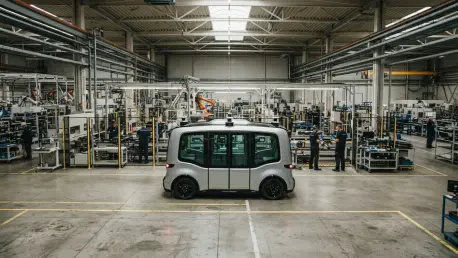

The requirement for 70 percent domestic parts ensures that the development of self-driving shuttles directly benefits American suppliers and the local labor force. As public transportation shifts toward automation, the partnership between autonomous driving specialist Imagry and bus manufacturer Endera represents a decisive turn toward domestic production. By aligning with the Federal Transit Administration’s Buy America mandates, these companies are positioning themselves to capture federal funding that was previously difficult to access for high-tech imports. This initiative effectively counters the trend of seeking special waivers for foreign-made minibuses, proving that the United States possesses the industrial capacity to innovate within its own borders. The collaboration centers on producing Level 4 autonomous shuttles that operate without human intervention in specific environments, offering a tangible solution for municipalities looking to update fleets while supporting the national economy with sustainable options.
Domestic Manufacturing and Regulatory Alignment
Adhering to Federal Transit Standards
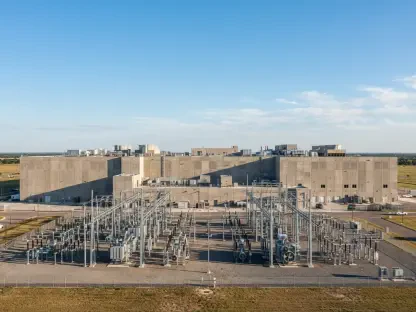
Navigating the complexities of federal funding requires more than just innovative software; it demands a deep commitment to the physical logistics of American manufacturing. The partnership between Imagry and Endera is built upon strict compliance with Federal Transit Administration regulations, which dictate that a majority of a vehicle’s components must originate from domestic sources. By utilizing Endera’s 250,000-square-foot facility in Ottawa, Ohio, the venture ensures that final assembly occurs on American soil, fulfilling the requirements for federal subsidy eligibility. This strategic alignment allows local transit agencies to modernize operations using existing tax dollars without the delays associated with administrative waivers. Consequently, the move encourages a circular economic benefit where federal investments in autonomous technology flow directly back into Midwestern manufacturing towns, bolstering job security and fostering a specialized workforce capable of maintaining new systems.
Digital Vision: Bypassing the Need for Infrastructure Upgrades
One of the primary hurdles for autonomous deployment has been the high cost of external infrastructure, yet the technological approach taken here seeks to eliminate those barriers entirely. Unlike many systems that rely heavily on high-definition maps or constant lidar scanning, Imagry employs a camera-based AI platform that processes visual data in real-time. This methodology allows minibuses to navigate public roads by seeing the world much like a human driver would, rather than following a rigid pre-programmed digital blueprint. This distinction is critical because municipalities do not have to invest millions in upgrading physical roads with sensors to accommodate self-driving vehicles. Having undergone rigorous testing in international markets since 2019, the software has proven its ability to handle complex urban environments. This proven reliability, integrated into Endera’s electric vehicle chassis, creates a versatile platform ready for deployment on current American city streets.
Social Impact and Economic Sustainability
Community Transit: Shifting Focus from Robotaxis to Mass Transit
The broader narrative of self-driving technology has often been dominated by the robotaxi model, which caters to individual luxury or private ride-sharing. However, the collaboration between these two firms signals a necessary shift toward collective, community-oriented transportation. By focusing on mass transit, the initiative addresses the mobility needs of underserved populations, including students who require campus loops and senior citizens who depend on accessible shuttle services. This democratization of technology ensures that the benefits of automation are not restricted to wealthy urban centers but are distributed across various demographics. Furthermore, the integration of autonomous systems into electric minibuses addresses environmental concerns, reducing the carbon footprint of public fleets while lowering costs for city governments. By prioritizing public service, the venture aims to stabilize transit budgets and provide predictable schedules for commuters facing driver shortages.
Market Strategy: Ensuring Long-Term Viability in the Global Market
As pilot programs began to transition into operations, the industry observed that the integration of domestic manufacturing and automation created a sustainable blueprint for the future. Transit authorities were encouraged to evaluate fleet replacement schedules and consider how Buy America-compliant autonomous options could reduce long-term maintenance overhead. The initiative demonstrated that the United States could lead the high-tech transit sector by merging software innovation with manufacturing strengths. Moving forward, the focus shifted toward developing training programs for technicians to manage these sophisticated fleets, ensuring the labor force evolved alongside the technology. By bypassing reliance on foreign components, the partnership set a precedent, proving economic progress could coexist with a domestic focus. This approach ultimately secured a resilient supply chain and provided a scalable model for modernizing public movement, ensuring that American transit remained rooted in local towns.