
Donald Gainsborough stands at the intersection of political strategy and legislative execution, serving as a guiding voice for federal modernization at Government Curated. With the recent directive from the Office of Personnel Management signaling a radical shift in how the federal government

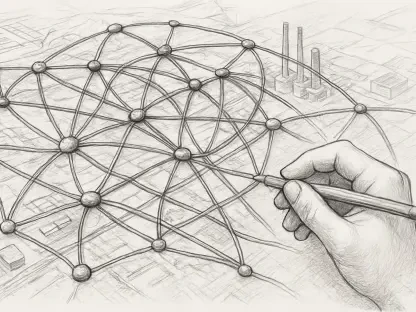
The silent transformation of the domestic security landscape has reached an unprecedented scale as the Department of Homeland Security continues to pour billions of dollars into a sophisticated, AI-driven surveillance infrastructure designed to monitor the movements of millions within the United

Modernizing public service often involves overcoming entrenched bureaucratic hurdles that have historically left citizens struggling with confusing forms and lengthy response times for basic record requests. In Morris County, New Jersey, a significant milestone has been reached with the deployment
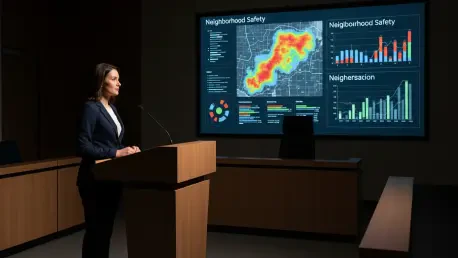
A child welfare professional stands before a family court judge today, presenting a risk assessment report not compiled solely through traditional home visits but synthesized by a sophisticated neural network designed to predict household stability. This transition from manual observation to

The rapid convergence of automated logistics and intricate consumer surveillance is fundamentally reshaping how urban centers manage the movement of goods across the American Southwest. As delivery platforms transition away from human-centric gig models, the focus has shifted toward maintaining a

The accelerated adoption of generative artificial intelligence across major industries has created a profound economic paradox where soaring corporate productivity exists alongside a precarious workforce that faces unprecedented displacement. This technological surge is not merely an incremental