

Many data centers operate under the public radar until their sheer scale and utility demands trigger environmental crises in regions already struggling with prolonged drought conditions. In Utah, this tension has reached a boiling point as the state attempts to balance its reputation as a

The shift toward strictly quantified accountability treats higher education as a financial investment that must yield a measurable return to maintain federal funding. This philosophy has culminated in a high-stakes standoff as the U.S. Department of Education recently flagged over 1,900 colleges

As global trade increases in complexity, the traditional trust-based model is being replaced by an evidence-based framework where risk has fewer places to hide. This shift represents a fundamental move away from fragmented, person-dependent processes toward integrated, intelligent operating systems

The Shifting Landscape of Government Data Consolidation and Public Service Delivery The silent migration of sensitive resident information from isolated municipal servers into interconnected cloud environments represents the most significant administrative shift in modern governance history. For

The rapid integration of artificial intelligence within public administration across West Africa signifies a profound shift in how governments deliver essential services to their citizens while navigating complex bureaucratic challenges. In Ghana, the vision for a digitally empowered civil service
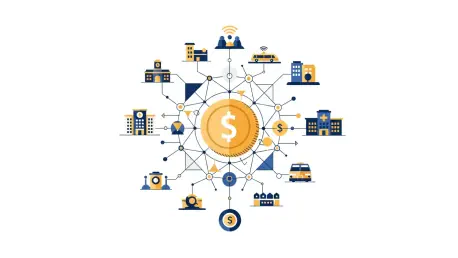
The staggering acceleration of machine intelligence has forced a rare moment of political alignment where the debate is no longer about if the public should benefit from the windfall but exactly how that wealth will be captured and distributed. As generative models move from experimental