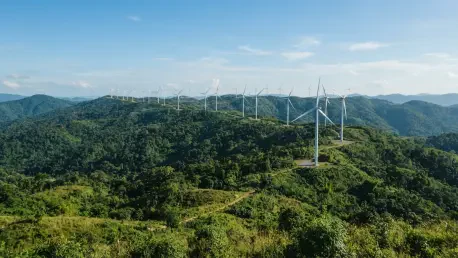

By 2030, energy imported from Lao wind and hydro projects is expected to constitute nearly ten percent of Vietnam’s total installed power capacity. This ambitious target is anchored by the recent operational milestones of the Monsoon Wind Power Project, a seven-hundred-million-dollar initiative situated in the remote highlands of Sekong province. As the first utility-scale cross-border wind farm in Asia, the facility represents a pivotal shift for Laos, which has traditionally leaned on its extensive river networks to earn its reputation as the battery of the region. The project features one hundred and thirty-three Chinese-built turbines sprawling across an area roughly equivalent to the size of Singapore. Controlled by a Thai-led consortium, the enterprise represents a significant evolution in Southeast Asian energy diplomacy, moving beyond national borders to create a more integrated and resilient power grid. This development marks the end of an era defined solely by hydroelectric dominance.
Diversifying the Regional Energy Portfolio
Mitigating Seasonal Energy Risks
The transition toward wind energy serves as a strategic response to the inherent volatility found in traditional hydroelectric power generation. For decades, Laos focused primarily on dam construction, yet the reliability of these assets often faltered during the dry seasons when plummeting water levels stifled production. Wind energy provides a necessary counterweight, as air currents in the southern provinces tend to be strongest precisely when river flows are at their lowest. This seasonal synergy ensures a more consistent export flow to international partners who require steady baseload power to sustain their industrial sectors. Developers have noted that wind energy has rapidly become more economically attractive due to falling technology costs and streamlined construction timelines. Consequently, there is currently a rush for development rights across the country, mirroring the hydropower boom of previous decades but with a renewed focus on ecological sustainability and climate resilience for the broader Mekong subregion.
Securing the Regional Manufacturing Supply Chain
Vietnam’s rapid ascent as a global manufacturing powerhouse has necessitated a radical expansion of its energy procurement strategies to avoid the disruptive blackouts seen in the recent past. The Monsoon project provides a critical, low-cost renewable source that allows the Vietnamese national grid to satisfy the heavy demands of electronics factories and textile mills without relying solely on coal-fired plants. By securing this 600-megawatt output exclusively, the nation takes a significant step toward its 2050 net-zero emissions target while maintaining the competitive operational costs that attract foreign direct investment. The cross-border nature of the transmission infrastructure also highlights a growing trend of regional interdependence, where energy-surplus nations like Laos become indispensable to the economic stability of their neighbors. This symbiotic relationship is bolstered by high-voltage transmission lines that bypass local grid limitations to deliver clean electricity directly to the high-demand hubs located across the border.
Socioeconomic Impacts and Future Integration
Navigating Local Infrastructure Gaps
The physical presence of massive turbines in Sekong province has brought about a complex mixture of socioeconomic transformations for the indigenous communities residing near the project site. On one hand, the massive influx of capital has funded essential infrastructure, providing remote villages with paved roads, improved healthcare clinics, and reliable access to fresh water for the first time. Local farmers have even expressed a sense of regional pride, viewing their contribution to the international energy trade as a vital service to the development of neighboring Vietnam. However, a stark contrast remains visible, as these communities often continue to endure domestic power outages while the electricity generated in their own backyards is sent abroad. This disparity is largely a byproduct of Laos’s underdeveloped internal distribution network and the substantial state debt that limits domestic grid upgrades. Addressing these internal inequities will be essential as the nation seeks to balance its lucrative export ambitions with the immediate needs of its own citizens.
Advancing the Southeast Asian Green Transition
The successful implementation of this wind corridor established a blueprint for the ten to fifteen additional wind projects that entered various stages of development across the Lao landscape. Investors recognized that the initial 600-megawatt phase was merely a starting point, as the governing consortium moved forward with plans to expand capacity by another 1,000 megawatts to meet rising regional needs. These efforts shifted the focus toward creating a more balanced portfolio that integrated wind, solar, and hydro into a single cohesive network. Policymakers prioritized the modernization of domestic transmission lines to ensure that future surpluses could benefit local populations rather than solely serving foreign markets. By leveraging its unique geography, the nation solidified its role as a central pillar in the Southeast Asian renewable energy market while providing actionable data for neighboring countries to pursue similar cross-border ventures. The project effectively demonstrated that regional cooperation could overcome technical hurdles, ultimately paving the way for a more sustainable and interconnected continental power structure.