
The strategic importance of Northern Australia is growing as climate change necessitates infrastructure specifically adapted to unique tropical realities. As the current funding cycle for the Cooperative Research Center for Developing Northern Australia (CRCNA) approaches its conclusion in mid-2027, policymakers and industry leaders are confronting a pivotal moment for the nation’s vast upper regions. For nearly a decade, the CRCNA has operated under a time-limited model, delivering high-impact results through place-based innovation; yet, advocates argue that the inherent transience of this framework is no longer sufficient to meet the structural demands of the tropics. A new proposal seeks to replace this expiring program with a permanent, independent entity known as the Center for Northern Australia (CNA). This shift represents a transition from reactionary, grant-based research to an enduring institution that can bridge the gap between scientific discovery and the specific socioeconomic needs of northern communities.
Enhancing Regional Impact Through Innovation
Successes of Place-Based Research
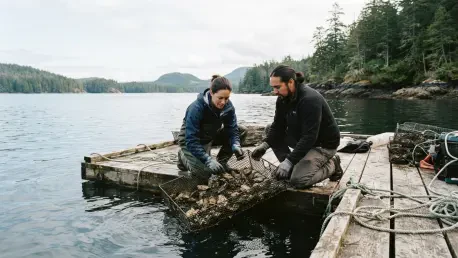
One of the most compelling arguments for a permanent research body lies in the success of projects that integrate Indigenous knowledge with contemporary commercial aquaculture. In various coastal regions, the cultivation of blacklip rock oysters has moved from a theoretical concept to a viable industry that empowers Indigenous people to achieve economic independence. By utilizing their deep connection to “sea country,” local communities have collaborated with scientists to identify optimal breeding grounds and sustainable harvest techniques that respect the delicate balance of tropical ecosystems. This research did not simply provide a technical manual; it created a pathway for remote populations to participate in the global economy while preserving cultural heritage. The success of these oyster farms demonstrates that when innovation is rooted in the specific geography and culture of the north, it yields social and economic returns that far exceed the initial investment.
The agricultural sector has also seen transformative changes through long-term trials conducted at cattle ranches such as Kidman Springs. Researchers and producers have worked in tandem to develop farming systems that are specifically engineered to withstand the volatility of the northern climate, including intense heat and extreme seasonal shifts. These collaborative efforts focused on improving herd productivity and land management practices while navigating the rising operational costs that often cripple remote businesses. By applying scientific rigor to the everyday challenges of the savanna, the research has enabled ranchers to move toward a model of high-value production that remains resilient against global market fluctuations. This style of cooperative inquiry ensures that new technologies are not just developed in isolation but are stress-tested in the harsh environmental realities of the territory. The ability to adapt to these conditions is essential for the future of food security.
Establishing the Center for Northern Australia
To sustain this momentum, the proposed Center for Northern Australia is envisioned as a foundational shift in regional governance, featuring a diversified funding model and strong leadership from Indigenous representatives. Unlike the current time-limited structure, the CNA would provide the long-term stability required for multi-year environmental studies and large-scale infrastructure planning. This independent organization would not seek to replace existing universities or the CSIRO; instead, it would act as a vital coordinator, identifying critical research gaps and brokering partnerships across state and territory borders. By focusing on “extension and adoption,” the center aims to ensure that scientific findings are actively translated into business practices rather than remaining confined to academic journals. This coordinated approach is necessary to address the region’s unique geographical hurdles and ensure that every dollar of investment translates into tangible community benefits.
The transition toward the Center for Northern Australia addresses the critical risk of losing decades of institutional knowledge and professional networks. Leaders recognized that once these specialized innovation ecosystems were dispersed, they became notoriously difficult and expensive to recreate. By establishing a permanent home for northern research, the federal government moved beyond political catchphrases and backed the regional ingenuity of local residents with enduring scientific support. This commitment prioritized health, water security, and food production capabilities in the north as essential pillars of national resilience. The implementation of this framework ensured that the unique challenges of the tropics were met with a unified, cross-sectoral strategy that promoted long-term prosperity. Ultimately, the decision fostered a stable environment where trust between researchers and stakeholders could flourish, providing a clear roadmap for sustainable development that benefited the entire nation for years to come.
Why Is a Permanent Research Center Being Proposed Now?
The proposal for a permanent research center emerged now because the current funding cycle for the CRCNA is set to expire in mid-2027, creating an urgent need for a successor. Experts argued that the complex, long-term challenges of northern development—such as climate adaptation and resource management—could not be adequately solved through the four-year funding windows typical of temporary programs. A 2026 parliamentary report highlighted that “developing the north is not a catchphrase” and recommended a ten-year funding commitment to provide regional capability. This timing is critical because the networks of trust and expertise built since 2017 would be at risk of dissolving without a clear, permanent mandate. By acting now, the government can secure these professional ecosystems and ensure that the progress made in sectors like aquaculture and healthcare is not lost, but rather expanded into a robust, permanent institution that serves the north indefinitely.
How Will the New Center Benefit First Nations Communities?
First Nations communities stand to benefit significantly from the CNA through a governance structure that prioritizes their leadership and ancestral knowledge. The new center seeks to expand upon existing successes, such as the Indigenous-led oyster enterprises, which turn traditional ecological knowledge into viable commercial opportunities. By formalizing the participation of Traditional Owners in the research process, the CNA ensures that development projects are culturally appropriate and provide genuine economic independence for remote settlements. This approach goes beyond simple consultation; it integrates the concept of “sea country” and “land country” into the core of scientific innovation. Furthermore, the center’s focus on remote healthcare improvements, such as preventing avoidable blindness through enhanced eye-screening technology, directly addresses the health disparities faced by Indigenous populations. This creates a sustainable model where economic growth and social well-being are pursued in tandem.
What Role Does Climate Change Play in This Proposal?
Climate change is a primary driver of the CNA proposal, as the northern territories require infrastructure and farming systems specifically adapted to increasingly harsh tropical realities. The unpredictable weather patterns of the tropics, characterized by extreme heat and erratic wet seasons, demand a research institution that can conduct long-term environmental monitoring. The CNA provides the stable platform necessary to develop resilient agricultural practices and water security solutions that can withstand these shifting conditions. Instead of relying on general national data, the center focuses on place-based research that addresses the unique stressors of the north. This allows for the creation of innovative materials and engineering standards that ensure buildings and roads remain functional despite environmental volatility. By prioritizing climate adaptation, the CNA protects the region’s economic viability and ensures that northern communities remain livable and productive in the face of global environmental changes.