

The promise of a unified digital landscape where public agencies leverage cutting-edge technology without drowning in paperwork is currently being tested by a complex web of competing state mandates. At its core, the foundational objective of the Government Risk and Authorization Management Program
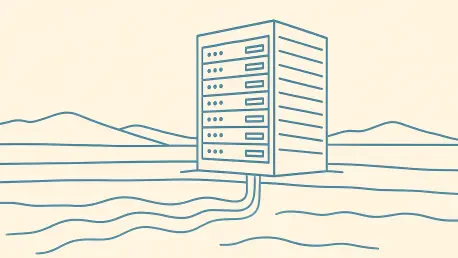
Deep beneath the sun-scorched plains of the Lone Star State, vast subterranean aquifers are being tapped at an unprecedented rate to cool the humming circuits of the global digital economy. As the year 2026 progresses, this invisible drain on the state’s most precious resource has moved from a

Statistical data reveals that children in South Central Los Angeles receive nearly half the park funding per capita compared to those living in the more affluent Westside neighborhoods. This gap illustrates how urban planning in 2026 still reflects historical patterns of neglect. The physical

The recent legislative push to modernize the Endangered Species Act represents a pivotal moment for federal environmental policy, balancing the urgent need for infrastructure development with the long-standing commitment to biodiversity conservation. As the Senate considers Title III of the

The integration of the Rabbit payment system used by the BTS Green Line remains a primary technical hurdle for the proposed common ticketing framework. As the Thai government advances its comprehensive strategy to modernize the capital’s sprawling transit network, the focus has shifted toward

Sustainable urban projects are increasingly evaluated on their ability to deliver measurable economic benefits alongside environmental and social improvements. In the current landscape of 2026, the transition from abstract discussions regarding Environmental, Social, and Governance (ESG) criteria