
The paradoxical reality of modern America reveals that as the mercury climbs to unprecedented heights, the collective psychological commitment to environmental science is actually cooling off. Current data suggests that while millions feel the physical and financial sting of heat, agreement on the underlying cause is fracturing. This trend occurs amidst record-breaking summers and strained power grids, indicating that personal experience may no longer be a reliable driver of scientific conviction. Instead, a complex mix of fatigue and economic stress reshapes how the public interprets the weather.
Understanding the Widening Chasm Between Experience and Conviction
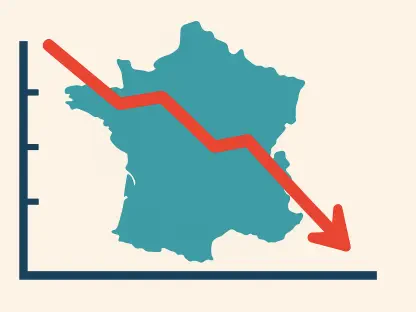
Observations from social researchers indicate a significant retreat in public certainty regarding environmental shifts, with belief rates dropping toward sixty-six percent. This decline is particularly startling because it coincides with some of the most intense heatwaves in human history. It seems that as the environmental crisis becomes more personal, the ideological response becomes more divided, creating a gap between what people see outside and what they are willing to accept as truth.
The chasm between daily reality and theoretical belief suggests that information alone is insufficient to change minds. Even as outdoor lifestyles face major disruptions, the narrative surrounding the cause of these changes remains contested. This discrepancy highlights the ways in which psychological barriers and regional differences play into a broader national hesitation to embrace scientific consensus during an era of volatile weather.
The Desensitization Effect: When Record Heat Becomes Mundane
A phenomenon known as creeping normalcy is fundamentally altering how individuals perceive the climate. As triple-digit temperatures become a seasonal fixture rather than an anomaly, the sense of urgency that once accompanied weather warnings has begun to evaporate. While thirty percent of citizens report that heat now significantly hampers their outdoor activities, many have transitioned into a state of cognitive dissonance where the heat is accepted as a routine nuisance rather than a systemic warning.
This mental adaptation acts as a defense mechanism, shielding the mind from the anxiety of a changing world. However, this shift also diminishes the persuasive power of scientific data. If a record-breaking summer is simply considered the new normal, the motivation to investigate the underlying triggers of that heat decreases. Consequently, the frequent repetition of weather alerts might actually be contributing to a sense of apathy among a large segment of the population.
Pocketbook Pressure and the Politicization of Utility Bills
Economic factors play a pivotal role in shaping environmental opinions, especially as over eighty percent of households report rising electricity costs. The financial burden of maintaining a cool home often forces families to focus on immediate survival rather than long-term ecological trends. When utility bills soar, the conversation frequently shifts toward energy policy and corporate pricing rather than the environmental drivers behind the increased demand for cooling.
This cooling crisis has effectively reframed a global environmental issue as a localized cost-of-living struggle. Political commentators often leverage these economic anxieties, suggesting that high energy costs are the result of mismanagement rather than climate-driven demand. As a result, the physical experience of heat is filtered through a financial lens, making it easier for many to dismiss the broader scientific context in favor of immediate relief from monthly expenses.
Regional Vulnerability and the Filter of Partisan Identity
Geography influences perception, yet it is often superseded by social identity. Residents in the American West and Midwest report the most severe disruptions to their routines, yet their interpretation of these events is not uniform. Data highlights that Democratic respondents are far more likely to modify their lifestyle choices, such as exercise or travel plans, in response to heat compared to Republicans. This suggests that the way an individual perceives a heat dome is often predetermined by their existing political framework.
Such a divergence indicates that climate belief has become a marker of tribal belonging. In this environment, acknowledging the severity of a heatwave can feel like an ideological concession. Consequently, the thermometer becomes a tool for political signaling rather than an objective measure of environmental health. This regional and partisan split makes it incredibly difficult to build a national consensus on how to handle the intensifying weather patterns facing the country.
The Growing Threat to Public Health and Infrastructure Resiliency
While public debate continues, the physical world reflects an increasingly grim reality of surging heat-related fatalities and infrastructure failures. With sixty percent of the nation currently facing drought conditions, the pressure on agriculture and energy grids has reached a breaking point. These environmental stressors are not just statistics; they represent a direct threat to the safety of every citizen, regardless of their personal beliefs about the cause of the warming.
The human cost remains staggering, with heat-related deaths reaching their highest rates in nearly fifty years. As temperatures remain elevated, the failure to align public perception with these physical risks hinders the development of necessary protective measures. Resiliency projects, from upgrading power lines to securing water sources, require a level of public support that is currently undermined by the persistent belief gap.
Strategic Responses to Counteract Misinformation and Economic Strain
To bridge the gap between experience and belief, communication must pivot toward local, tangible impacts that resonate across political divides. Leaders should focus on transparent explanations for utility hikes while simultaneously offering robust weatherization programs that lower household costs immediately. By addressing the economic pain points first, proponents of climate science can remove one of the primary barriers to public acceptance.
Furthermore, public health messaging needs to treat extreme heat as a preventable medical emergency rather than a political talking point. Strengthening local cooling centers and providing subsidies for energy-efficient appliances can save lives while demonstrating the practical benefits of adaptation. These actionable steps provide a path forward that emphasizes community safety and financial stability, making the reality of the changing environment harder to ignore.
The Critical Necessity of Aligning Public Opinion With Physical Reality
The widening distance between environmental experience and scientific understanding represented a significant challenge for the future of national policy. As the climate continued to shift, the lack of a unified public front delayed essential infrastructure investments and health initiatives. Ultimately, bridging this divide was recognized as a fundamental requirement for building a resilient society.
Experts realized that reconciling the lived experience of heat with its root causes required more than just data; it demanded a shift in how the country approached its shared future. Those who successfully navigated this landscape focused on solutions that addressed both physical safety and economic security. By moving beyond the partisan filter, communities finally began to prepare for the increasingly volatile world they inhabited.