
The sudden transition from drafting laws to enforcing multi-billion dollar judicial settlements suggests that the traditional legislative process is no longer the primary engine of digital safety reform in the United States. Washington State has fundamentally altered its approach to digital

When the neon lights of downtown Reno flicker against the high-desert sky, they now illuminate a city where every license plate, every drone flight, and every police interaction is woven into a seamless digital tapestry controlled by a single multi-billion-dollar corporation. The transition from

Current regulations limit pedal taverns to a maximum speed of fifteen miles per hour, yet they provide no protection for passengers who might be ejected from their seats during impact. This glaring safety gap has come to the forefront of municipal discourse in Nashville, a city that has long
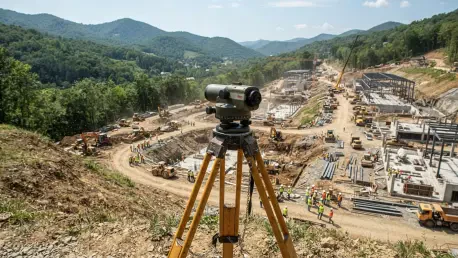
True modernization of the building permit process should focus on digital scrutiny and time-bound clearances rather than the systematic dilution of established safety and environmental rules. In Jammu and Kashmir, the current push toward economic revitalization has increasingly prioritized the Ease

Behind the quiet streets of Roosevelt, Utah, a silent revolution has taken root as local officials trade dusty filing cabinets for the sophisticated power of the digital cloud. Brock Arnold, a public servant who splits his time between managing human resources and steering information technology,

The digital consoles within modern municipal command centers now reflect a reality where the window for human intervention during a cyberattack has been effectively eliminated by autonomous exploitation scripts. As of 2026, the traditional defense-in-depth strategies that once allowed government IT
1 2 3 4 5 6 7 8 9 10 11 12 13 14 15 16 17 18 19 20 21 22 23 24 25 26 27 28 29 30 31 32 33 34 35 36 37 38 39 40 41 42 43 44 45 46 47 48 49 50 51 52 53