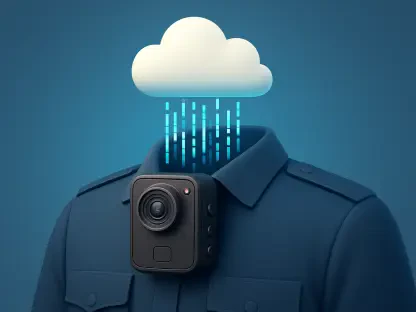

Lithium-ion battery fires involving personal mobility devices reached a total of forty-nine recorded incidents in 2025, necessitating stricter safety standards for electronic components. This statistic has served as a wake-up call for urban planners and safety regulators alike, leading to a
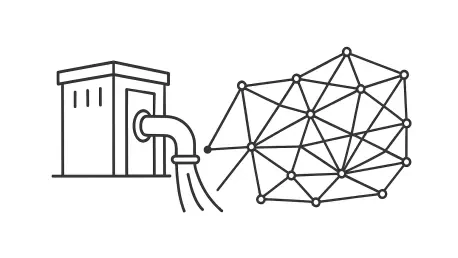
Introduction Protecting the vital fluid networks that nourish our metropolitan areas has evolved into a sophisticated game of digital chess where the stakes involve public health and national stability. The recent emergence of strategic partnerships among water utilities marks a pivotal shift in

Concerns are mounting that the subtle design of smart glasses allows users to photograph others in private moments without any clear indication of activity. This fundamental anxiety has prompted the Norwegian government to spearhead a legislative movement aimed at curbing the potential for invasive

Data reveals that more than half of Black children in the United States have heard gunshots in their neighborhoods, highlighting a profound gap in basic safety. This startling reality underscores the perspective of Marc A. Levin, who argues that physical security is not a peripheral social issue

The Department of Innovation and Technology has established a human-centered policy to prevent algorithms from replicating societal stereotypes or harboring historical biases. In a city like Detroit, where industrial legacy meets digital modernization, the integration of Artificial Intelligence is

Rural communities in Northwestern Pennsylvania are increasingly viewed as medical deserts where the needs of foresters and farmers are sidelined by corporate bottom lines. The closure of inpatient and emergency services at Bradford Regional Medical Center (BRMC) serves as a localized case study for