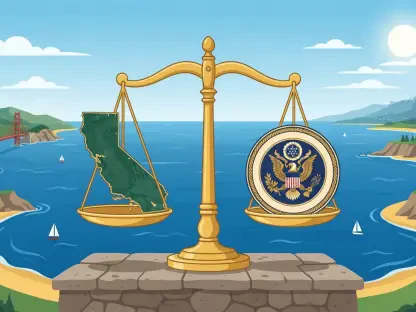

The recent legislative push to modernize the Endangered Species Act represents a pivotal moment for federal environmental policy, balancing the urgent need for infrastructure development with the long-standing commitment to biodiversity conservation. As the Senate considers Title III of the
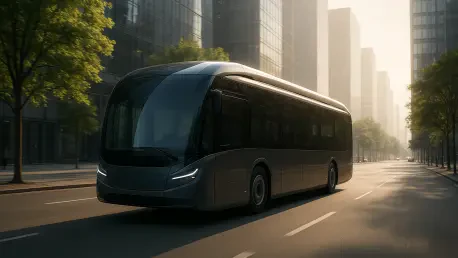
The integration of the Rabbit payment system used by the BTS Green Line remains a primary technical hurdle for the proposed common ticketing framework. As the Thai government advances its comprehensive strategy to modernize the capital’s sprawling transit network, the focus has shifted toward
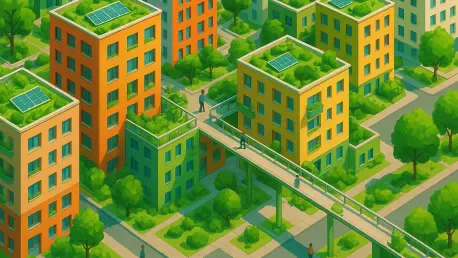
Sustainable urban projects are increasingly evaluated on their ability to deliver measurable economic benefits alongside environmental and social improvements. In the current landscape of 2026, the transition from abstract discussions regarding Environmental, Social, and Governance (ESG) criteria

The 2026 haze season has reached a dangerous milestone as the Pollutant Standards Index consistently hovers near the very unhealthy threshold of two hundred and one. After years of relatively clear blue skies, the sudden resurgence of transboundary pollution has caught the city-state off guard,
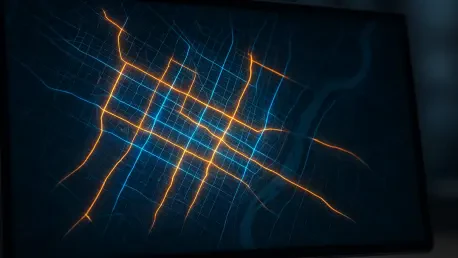
The volatility of fuel prices and the threat of climate change have necessitated a more coordinated approach to state-level energy infrastructure management. As the state moves further into the current decade, the urgency of updating an aging grid has become the central focus of a massive new
Courts would be prohibited from vacating federal permits unless a plaintiff proves the project poses an imminent and substantial danger to human health. This fundamental change is a cornerstone of the Senate Permitting Reform Bill, a legislative package designed to modernize American infrastructure